Technical SEO Foundations: Preparing Websites for Google’s Core Web Vitals
In the fast-evolving landscape of digital marketing, technical SEO has shifted from a behind-the-scenes task to a core strategic element that can make or break a website’s visibility on Google. As search engines become more sophisticated, especially with the advent of AI-powered algorithms, preparing client websites for Google’s Core Web Vitals is no longer optional. It’s essential for agencies, businesses, and webmasters to understand the foundational principles that underpin effective SEO optimization, particularly when leveraging AI tools for content creation and site performance. This article delves into the crucial steps involved in setting up websites for optimal Google ranking, emphasizing the integration of AI-powered solutions to automate and boost SEO efforts. We will explore how to harness AI to streamline processes, improve site speed, enhance user experience, and ultimately drive more traffic. The goal is to provide strategic, actionable insights that are both time-efficient and scalable, ensuring your client’s websites stay ahead in the competitive digital space.
Understanding Google’s Core Web Vitals and Their Impact
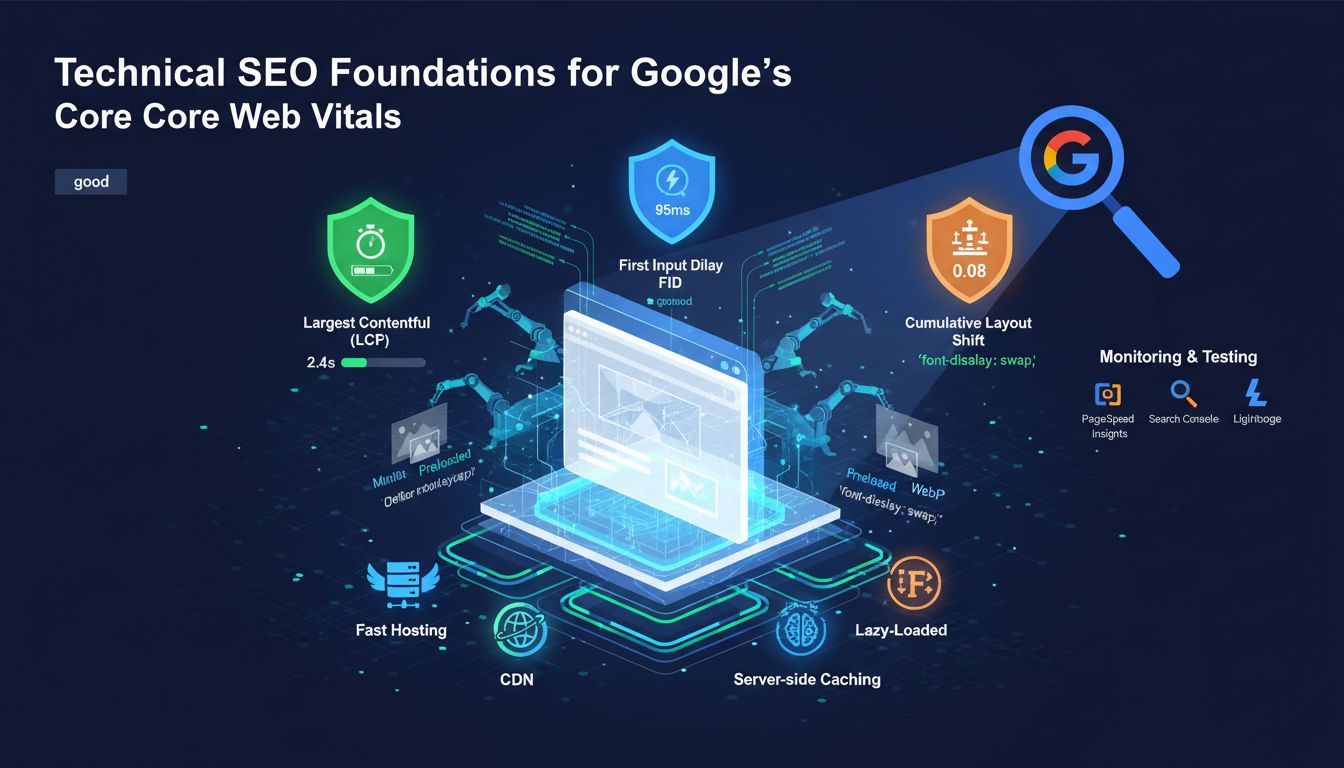
Google’s Core Web Vitals represent a set of metrics that measure user experience on websites. These include Largest Contentful Paint (LCP), which gauges loading performance; Cumulative Layout Shift (CLS), measuring visual stability; and First Input Delay (FID), assessing interactivity. In essence, these metrics reflect how users perceive the performance of a site, and Google has made them a ranking factor. For clients, failing to optimize these vitals can lead to lower rankings, reduced traffic, and poor engagement. The emphasis on Core Web Vitals underscores the importance of a holistic approach to SEO—one that goes beyond keywords and backlinks to focus on technical excellence. The challenge is that many websites, especially legacy sites or those built with outdated practices, struggle with speed and stability. Implementing effective optimization requires a deep understanding of the site’s architecture, content delivery, and user experience. In practice, this means every aspect of a website—from server response times to image sizes—must be scrutinized and improved. AI tools have emerged as game-changers here, enabling automation of many tedious tasks while providing data-driven insights. These tools can identify bottlenecks, suggest improvements, and even implement changes with minimal human intervention, making it easier to meet Google’s standards efficiently.
Foundational Steps for Preparing Client Websites
1. Conducting a Comprehensive Technical Audit
The first step in preparing a website for Google’s Core Web Vitals is a thorough technical audit. This audit should cover server performance, mobile responsiveness, code cleanliness, and plugin or theme conflicts—especially on WordPress sites, where plugins can sometimes introduce bloat or conflicts. A detailed audit pinpoints issues that affect load times, layout stability, and interactivity, providing a roadmap for targeted improvements. Using AI-driven audit tools accelerates this process. These platforms analyze site health at scale, generate reports, and prioritize fixes based on impact. For instance, they can highlight large images that slow down load times or scripts that delay page interactivity. This initial assessment forms the backbone of a strategic optimization plan, ensuring no critical aspect is overlooked.
2. Optimizing Site Speed and Performance
Speed is king when it comes to Core Web Vitals. An unoptimized site can easily fall below the thresholds needed for good scores. Common issues include uncompressed images, blocking JavaScript, and slow server responses. To address these, deploying a combination of CDN (Content Delivery Network), caching strategies, and image optimization is essential. AI tools like WordPress SEO automation plugins can automatically compress images, minify CSS/JS files, and implement lazy loading, saving countless hours of manual work. These tools also monitor ongoing performance, alerting to regressions and suggesting fixes. For example, an AI-powered auto SEO optimization tool can continuously analyze user behavior and adapt content delivery accordingly, ensuring the site maintains high performance levels without constant manual intervention.
Content Optimization Leveraging AI and Automation
Content remains a critical component of SEO, and AI is revolutionizing how content is created, optimized, and scored. Modern AI content generators can produce high-quality, SEO-optimized articles at scale, saving time and resources. These tools analyze top-ranking pages, identify relevant keywords, and generate content that aligns with user intent. However, quality is key; AI should supplement human oversight rather than replace it entirely. Content should be engaging, accurate, and aligned with client branding. AI-powered content scoring tools can evaluate the effectiveness of content based on keyword density, readability, and engagement metrics, providing actionable feedback for refinement. Integrating AI for content creation and optimization into WordPress sites can automate much of the process, allowing marketers to focus on strategy and creative elements. For example, an AI content calendar generator helps plan and schedule posts strategically, ensuring consistent publishing aligned with SEO goals. This level of automation not only boosts efficiency but also ensures content remains SEO-optimized and competitive.
Implementing Technical SEO Best Practices
1. Structured Data and Schema Markup
Structured data helps search engines understand the content of a site more effectively. Implementing schema markup enhances visibility in rich snippets, knowledge panels, and other search features. Properly configured schema can improve click-through rates and provide contextual signals to Google, reinforcing the site’s relevance. AI tools can automate the generation of schema markup based on content type, reducing manual effort. For instance, an AI-powered plugin can detect product pages, reviews, or articles and automatically add appropriate schema, ensuring compliance and maximizing visibility.
2. Mobile Responsiveness and Accessibility
Google prioritizes mobile-first indexing, making responsive design a must. Ensuring that a website functions seamlessly across devices and screen sizes is foundational. Accessibility also plays a role in user experience and SEO. AI-driven testing tools can evaluate a site’s mobile responsiveness and accessibility scores, providing specific recommendations. These tools can also suggest improvements like contrast adjustments or alt text enhancements, ensuring compliance and better user engagement.
Ongoing Monitoring and Continuous Optimization
Preparing a website for Google’s Core Web Vitals is not a one-time task. Continuous monitoring is vital to maintain and improve performance. AI tools excel at ongoing analysis, providing real-time data on speed, stability, and interactivity. They can automatically flag regressions, suggest fixes, and even implement auto-SEO optimization updates. This proactive approach keeps the site aligned with evolving standards and user expectations. Regular audits, combined with AI-driven insights, ensure that the website remains competitive and fully optimized for Google’s ranking algorithms.
Case Study: How a Multi-Site Agency Boosted Rankings with AI-Driven SEO
An agency managing multiple client sites faced challenges keeping up with the technical demands of SEO, especially as Google’s Core Web Vitals became more stringent. They adopted AI tools for multi-site SEO management, which allowed them to automate speed optimization, content scoring, and schema implementation across all sites. Within three months, the agency saw an average increase of 35% in organic traffic and significant improvements in Core Web Vitals scores. This approach demonstrated that leveraging AI for site optimization not only saves time but also yields measurable results. According to a leading AI content and SEO platform, automation is the future of scalable SEO strategies, especially for agencies handling large portfolios. The key takeaway is that integrating AI into your workflow accelerates optimization, reduces errors, and enhances overall site performance.
Strategic Tips for Executing a Successful SEO Preparation Plan
- Prioritize mobile-first optimization to align with Google’s indexing policies.
- Use AI-powered tools to automate repetitive tasks like image compression, schema markup, and content scoring.
- Maintain a regular schedule of performance audits and adapt quickly to changes in algorithms or site structure.
- Leverage AI content creation tools to generate high-quality, SEO-optimized content at scale.
- Ensure accessibility and usability for all users, incorporating AI-driven testing and adjustments.
- Monitor Core Web Vitals continuously, using real-time data to inform ongoing improvements.
- Invest in training your team on the latest AI tools for SEO and content management to stay ahead.
Final Thoughts: Embracing AI for Future-Proof SEO
In conclusion, preparing client websites for Google’s Core Web Vitals demands a strategic blend of technical expertise and AI-powered automation. The integration of AI tools simplifies complex tasks, accelerates improvements, and ensures websites meet evolving standards—ultimately boosting site traffic and enhancing user experience. As the digital landscape continues to shift, those who leverage AI for SEO optimization will have a competitive edge, delivering faster, more engaging, and highly optimized sites. Staying ahead requires continuous learning and adaptation. For businesses looking to streamline their SEO efforts and scale content creation efficiently, exploring AI solutions like a trusted AI content generator can be transformative. Embracing these technologies today sets the foundation for sustainable success tomorrow. The future belongs to those who adapt quickly, harness data-driven insights, and prioritize user experience at every level of website performance.