Single Dashboard vs Multiple Logins: The Future of WordPress Publishing
In the rapidly evolving landscape of digital marketing and website management, the debate between using a single dashboard versus multiple logins for WordPress publishing has gained significant traction. As automation, AI-powered tools, and SEO optimization become integral to content strategies, understanding the implications of these approaches is more critical than ever. Marketers and site owners face a choice: streamline their workflow with a centralized, all-in-one dashboard or delegate responsibilities across multiple accounts for specialized tasks. Both options come with distinct advantages and drawbacks, impacting efficiency, security, scalability, and ultimately, the success of content marketing efforts. This article delves deep into the future of WordPress publishing, exploring how these strategies align with emerging trends like AI-driven content creation, SEO automation, and multi-site management. By analyzing real-world examples, providing actionable insights, and considering the latest technological developments, we aim to help marketers make informed decisions that boost site traffic, improve SEO, and optimize content workflows.
Understanding the Core Differences
Single Dashboard: The Centralized Control Hub
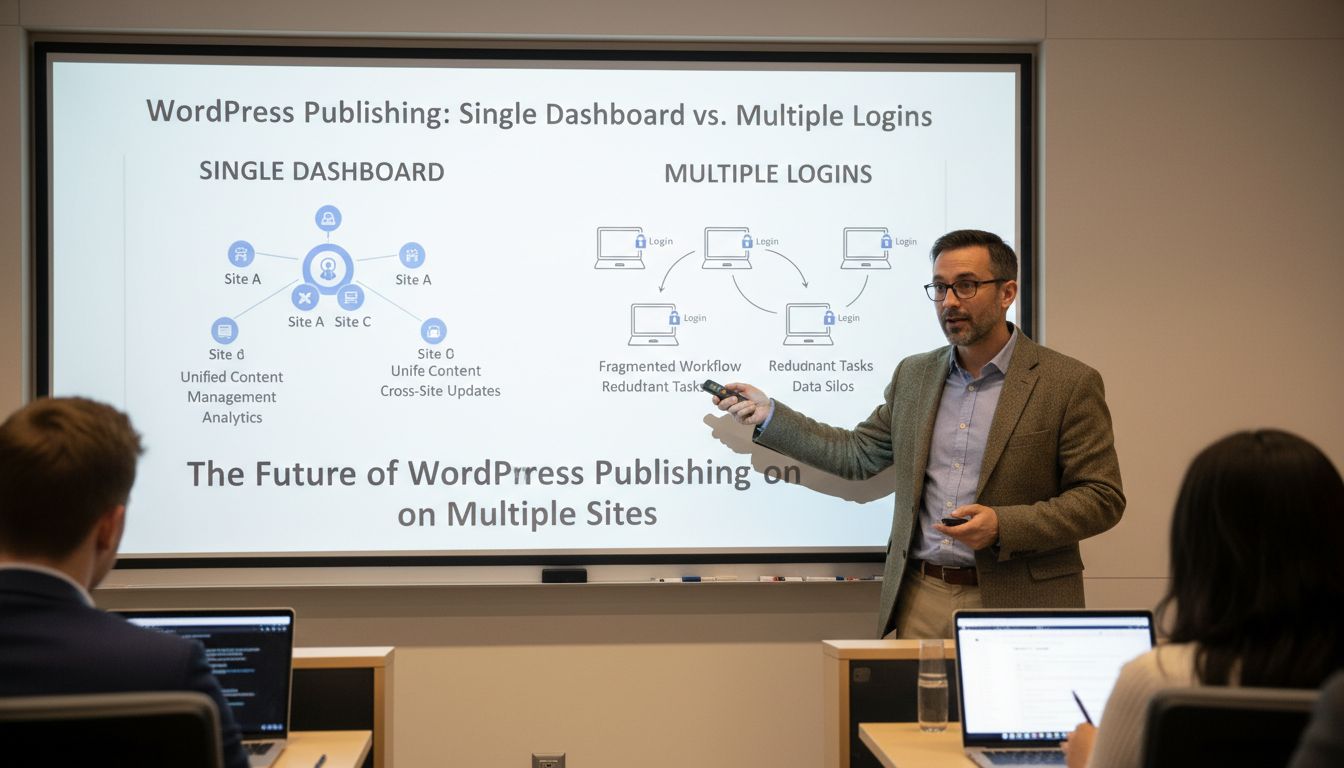
A single dashboard approach consolidates all your WordPress sites, plugins, analytics, and AI tools into one interface. This setup appeals to teams seeking simplicity and efficiency. Imagine managing multiple blogs or client sites from one login—no need to juggle different credentials or switch platforms constantly. It streamlines content creation, SEO automation, and performance tracking. For example, tools like WordPress management plugins or AI-powered platforms such as HitPublish offer integrated solutions that automate SEO, optimize content, and schedule posts across multiple sites simultaneously. The benefit here is clear: reduced time spent switching between accounts, faster content deployment, and centralized data for easier analysis. However, this convenience comes with potential risks—if a single login is compromised, multiple sites could be vulnerable. Security measures like two-factor authentication and role-based access are critical when opting for a unified dashboard.
Multiple Logins: Specialization and Security
On the flip side, managing separate logins for each site allows for tailored permissions, better security, and specialized workflows. For instance, a marketing agency handling dozens of client sites might assign dedicated logins to different team members or contractors. This compartmentalization helps contain security breaches and simplifies troubleshooting. Plus, some plugins or AI tools might require distinct setups for different niches or content types, making multiple logins more practical. Yet, this method can lead to inefficiencies—constant switching between accounts, inconsistent content workflows, and fragmented analytics. It’s a trade-off: enhanced security and specialization versus streamlined management. As automation advances, the question becomes whether the added complexity of multiple logins is justified or if new AI-driven solutions can bridge the gap.
The Future of WordPress Publishing: Trends and Predictions
AI and Content Automation Driving Change
The rise of AI-powered content creation tools has transformed how marketers approach publishing. AI content generators, such as those integrated into WordPress or external platforms, can produce high-quality articles, optimize SEO, and even generate content calendars automatically. These tools save time, reduce costs, and help scale content production without sacrificing quality. For example, AI-driven SEO automation tools can analyze keywords, competitor strategies, and content gaps to suggest improvements or even rewrite sections for better ranking. As AI advances, the need for multiple logins might diminish if centralized platforms incorporate AI-powered content scoring and auto-optimization features. This convergence points toward a future where managing multiple sites becomes more manageable through a single, intelligent dashboard that handles content creation, SEO, and analytics seamlessly.
Multi-site Management and AI Tools
Managing a network of WordPress sites is becoming increasingly complex, especially for agencies or large brands. Multi-site management tools, often integrated into WordPress or through third-party platforms, are evolving rapidly. These tools enable automation of SEO, content scaling, and performance tracking across all sites, reducing manual effort. For example, AI tools for multi-site SEO can automatically adjust meta tags, improve internal linking, and monitor ranking fluctuations in real-time. As detailed in HitPublish’s AI content and SEO automation platform, the future lies in intelligent systems that adapt to changing algorithms and content trends without human intervention. This trend suggests that the traditional distinction between single dashboards and multiple logins might blur, giving way to unified, AI-powered control centers that handle multi-site SEO and content generation effectively.
Strategic Considerations for Marketers
Security vs. Efficiency
One of the most pressing concerns in choosing between single dashboards and multiple logins is security. Centralized control simplifies management but creates a single point of failure. A compromised login can jeopardize all sites, especially if proper security measures are not in place. Conversely, multiple logins provide compartmentalization, limiting damage but increasing management complexity. Marketers need to weigh these factors carefully. Implementing advanced security protocols—like biometric authentication or AI-based threat detection—can mitigate risks regardless of the chosen setup. Additionally, considering how AI tools can enhance security through activity monitoring and anomaly detection is crucial for future-proofing.
Scalability and Content Scaling
As content needs grow, so does the complexity of managing multiple sites. AI-driven content scaling tools can help automate publishing workflows, optimize SEO across all platforms, and maintain consistency in branding. A centralized dashboard equipped with AI content generation and SEO automation features enables faster scaling without sacrificing quality. For example, using an AI content calendar generator helps plan and schedule content campaigns across multiple sites, ensuring timely publication and optimized content delivery. Marketers should look for solutions that integrate seamlessly with their existing workflows, offering flexibility to adapt as their content strategies evolve.
Actionable Insights and Practical Tips
- Assess your security needs—if managing sensitive data or high-profile clients, multiple logins with strict permissions might be safer.
- Leverage AI tools like WordPress AI content generators and SEO automation platforms to streamline workflows.
- Invest in centralized dashboards that incorporate AI-powered content scoring and auto-optimization features to save time.
- Regularly review access permissions and security protocols to prevent breaches in either setup.
- Use AI content calendar generators to plan and automate publishing schedules, ensuring consistency and efficiency.
Case Studies and Real-World Examples
Agency Success with AI-Driven Multi-Site SEO
One digital marketing agency managing over fifty client sites transitioned to an AI-integrated dashboard that automates SEO and content creation. By utilizing AI tools for multi-site SEO, they improved client rankings by an average of 25% within six months. The platform allowed them to scale content production while maintaining SEO best practices, all from a single interface. This approach reduced manual effort by 40%, freeing their team to focus on strategy and creative development. The agency also reported better security management, as role-based access controls limited permissions based on team members’ responsibilities.
Small Business Leveraging Multiple Logins for Security
A small e-commerce site opted for separate logins for its marketing, development, and customer service teams. This compartmentalization minimized security risks, especially since they handled sensitive customer data. Their team used AI tools to automate SEO and content optimization, but the security model prevented a breach from affecting the entire operation. Over time, they integrated AI content generators that suggested product descriptions and blog posts, increasing their content output by 50%. This setup exemplifies how multiple logins, combined with AI tools, can provide a balanced approach to growth and security.
Conclusion: Embracing the Future of WordPress Publishing
The landscape of WordPress publishing is shifting towards smarter, more automated systems that blend the best of both worlds: centralized control and security with AI-driven automation. The future likely involves intelligent dashboards capable of managing multiple sites with minimal manual intervention, powered by AI tools for content creation, SEO optimization, and security monitoring. Marketers who adopt these technologies early will gain a competitive edge, boosting site traffic, improving Google rankings, and scaling content efforts efficiently. Whether opting for a single dashboard or multiple logins, the key is leveraging AI to automate routine tasks, ensure SEO excellence, and free up resources for strategic initiatives. As technology continues to evolve, staying adaptable and embracing innovative AI solutions will be crucial for success in the dynamic world of WordPress publishing.
Implementing these strategies now can significantly impact your content marketing effectiveness. The right choice depends on your specific needs—security concerns, team structure, scalability goals, and technological readiness. Exploring AI tools for WordPress, such as those highlighted in HitPublish’s AI-powered platform, can help streamline your workflow and elevate your content game. The future belongs to those who harness automation and AI to stay ahead of the competition, ensuring their content remains optimized, engaging, and impactful in an increasingly crowded digital space.