Publish SEO Content to Unlimited WordPress Sites in One Click
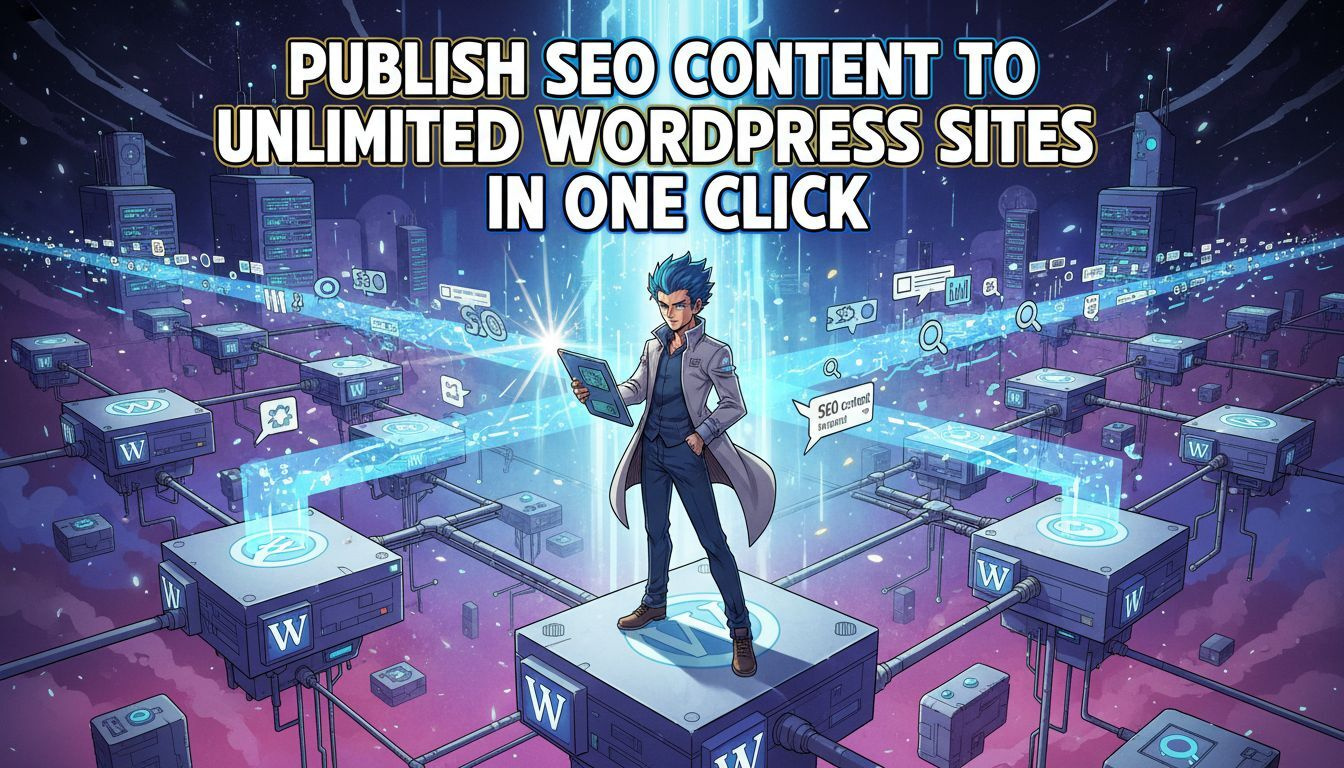
There’s a certain thrill in knowing you can publish SEO content to an unlimited number of WordPress sites with just one click. It’s like having a superpower—imagine generating articles that are optimized for search engines and pushing them out across dozens, hundreds, or even thousands of client sites without breaking a sweat. This kind of automation isn’t just a pipe dream anymore; it’s becoming a reality thanks to innovative AI-powered tools that streamline content management for agencies, marketers, and freelance professionals alike.
In a world where managing multiple WordPress sites can turn into a logistical nightmare—think of the countless hours spent logging into different dashboards, copying and pasting content, and optimizing each piece individually—finding an efficient solution is more critical than ever. The ability to generate and publish SEO articles automatically across all client sites not only saves time but also ensures consistency, improves rankings, and enhances overall productivity. Whether you’re a small agency juggling a handful of websites or a large firm overseeing hundreds, the right automation tool can transform your workflow completely.
Why Automate Publishing to Multiple WordPress Sites?
Managing several WordPress sites traditionally involves a mix of manual processes—logging into each site, creating content, optimizing for SEO, and then publishing. It’s tedious, error-prone, and often leads to inconsistent results. Automation changes that game entirely. It allows you to generate high-quality, SEO-optimized articles and push them live across multiple sites simultaneously, all in just one click.
Let’s be honest: content creation is time-consuming. Even if you have a talented team, coordinating multiple sites with unique niches and audiences can become overwhelming. Automating the publishing process frees up valuable resources, letting you focus on strategy, client relationships, or scaling your business. Plus, with AI-driven content generation, you can create articles tailored to specific keywords, local markets, or industry trends without breaking a sweat.
How AI-Powered Multi-Site Content Automation Works
Generating SEO Content with AI
At the heart of this process is AI technology that can produce articles optimized for search engines. These tools analyze target keywords, competitor content, and current SEO best practices to craft articles that have a real shot at ranking. Unlike older methods that required manual keyword research and content writing, AI now handles much of this automatically, ensuring your articles are both relevant and engaging.
For example, a marketing agency managing multiple local service websites can generate tailored SEO articles for each city or region, all based on a single input. This speeds up content production and maintains quality across all sites. The AI can incorporate specific keywords, local references, and industry jargon, making each article feel personalized and relevant.
Managing Multiple Sites Seamlessly
Once the content is generated, the next challenge is publishing it across all your WordPress sites. This is where automation tools shine. They connect to each site via API or plugin integrations, upload the articles, set publishing schedules, and even optimize metadata like titles, descriptions, and tags—all automatically. It’s like having a virtual team that works around the clock, ensuring your content goes live exactly when you want it to.
This process is highly scalable. You can manage ten sites or a thousand, and the system remains efficient. It also reduces human error—no more accidentally publishing outdated drafts or forgetting to update a site. Everything happens in a centralized dashboard, giving you oversight and control without the fuss.
Case Study: How an Agency Transformed Its Workflow
Take the example of a mid-sized digital marketing agency that specializes in local SEO. Before adopting automation, they spent hours each week manually creating and publishing articles for their 50+ clients. The process was so time-consuming that content frequency was inconsistent, affecting rankings.
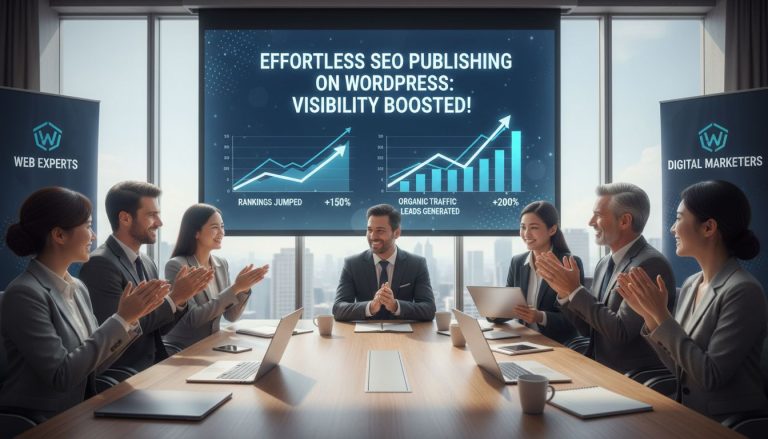
After integrating an AI-powered multi-site publishing tool, they could generate SEO articles for each client in minutes, then push them out to all relevant sites with a single click. The agency reported a 40% increase in content volume without any additional staffing and saw a noticeable boost in search rankings within three months. This shift allowed them to focus more on strategy and less on logistics, ultimately increasing client satisfaction and retention.
According to a recent review by HitPublish.ai, such tools are revolutionizing how agencies approach content marketing, making it feasible to scale operations without sacrificing quality or consistency. This example underscores how automation isn’t just a time-saver; it’s a strategic asset.
Practical Tips for Implementing Automated Multi-Site Publishing
Choose the Right Tool
- Look for AI content generators that produce human-like, engaging articles.
- Ensure the platform supports integration with multiple WordPress sites via APIs or plugins.
- Prioritize tools that offer scheduling, metadata optimization, and analytics features.
Set Up Your Workflow
Start by connecting all your WordPress sites to the automation platform. Establish a clear content calendar—decide how often new articles should be published per site. Automate keyword research and content generation based on your target niches and SEO goals. Test the publishing process with a few sites first, then scale gradually.
Optimize for SEO and User Engagement
While automation handles much of the heavy lifting, don’t neglect the importance of human oversight. Review generated articles for accuracy, relevance, and tone. Customize metadata and images to match each site’s branding. Remember, SEO isn’t just about keywords; user experience matters, so ensure content remains valuable and engaging.
Monitor and Adjust
Use analytics dashboards provided by your automation tools to track performance. Are your articles ranking? Is engagement increasing? Use these insights to refine your keyword strategy, content themes, and publishing frequency. Continuous optimization ensures long-term success and keeps your content fresh.
Limitations and Considerations
Despite the impressive capabilities, automation isn’t flawless. AI-generated content may sometimes lack nuance or miss subtle cultural cues. It’s crucial to review and edit before publishing, especially for sensitive topics. Additionally, search engines like Google value quality and originality—so avoid over-reliance on automation, which can lead to duplicated or thin content if not managed carefully.
Furthermore, managing client expectations is vital. Explain that automation accelerates content delivery but still requires strategic oversight. Transparency builds trust and helps you position yourself as a reliable partner rather than just a content factory.
Future Trends and Final Thoughts
The future of managing multiple WordPress sites with AI is promising. As natural language processing advances, content will become even more personalized and context-aware. Integration with voice search, video content, and interactive elements will further enhance the value of automated publishing systems.
For now, the most practical step is adopting a reliable platform that aligns with your needs. Automating SEO content to publish across all your client sites in just one click isn’t just a novelty; it’s a strategic necessity for agencies aiming to stay competitive and scalable. With the right tools and strategies, you can turn a seemingly overwhelming task into a streamlined, results-driven process.
To explore some of the best options available, including AI-driven content generation and automation, visit HitPublish’s platform. Their solutions are designed specifically for managing multiple WordPress sites efficiently, helping you generate and publish SEO articles across all your client sites automatically. This approach not only saves hours but also ensures consistency, quality, and SEO performance—making it a must-have for modern marketers.
Embracing automation is no longer optional; it’s a pathway to scaling your content marketing efforts without sacrificing quality or speed. By leveraging AI-powered tools, managing multiple WordPress sites becomes a matter of a few clicks instead of countless hours. Start small, test thoroughly, and then expand your capabilities. The future belongs to those who automate intelligently and execute with precision.