Inbound vs Outbound Marketing: Which Strategy Delivers Better Results?
In the ever-evolving landscape of marketing, two approaches dominate the conversation: inbound and outbound marketing. Both strategies have their advocates and critics, but understanding their fundamental differences and strategic implications is essential for any marketer aiming to optimize results. Today, businesses face a crucial question: Qu’est-ce que l’Outbound Marketing et pourquoi reste-t-il utilisé ? Les limites et enjeux de l’Outbound Marketing, versus Qu’est-ce que l’Inbound Marketing et pourquoi séduit-il les dirigeants ? Les contraintes et défis de l’Inbound Marketing — these aren’t just academic distinctions but practical considerations that can determine the success or failure of a marketing campaign. As the digital landscape shifts, so do consumer behaviors, making it vital to grasp the nuances of each approach. This article dissects the core differences, strategic benefits, and challenges of inbound and outbound marketing, providing actionable insights to guide your choice. Whether your goal is immediate impact or sustainable growth, understanding these strategies helps craft a tailored marketing plan that aligns with your business objectives.
Understanding Outbound Marketing: Definition, Strategies, and Usage
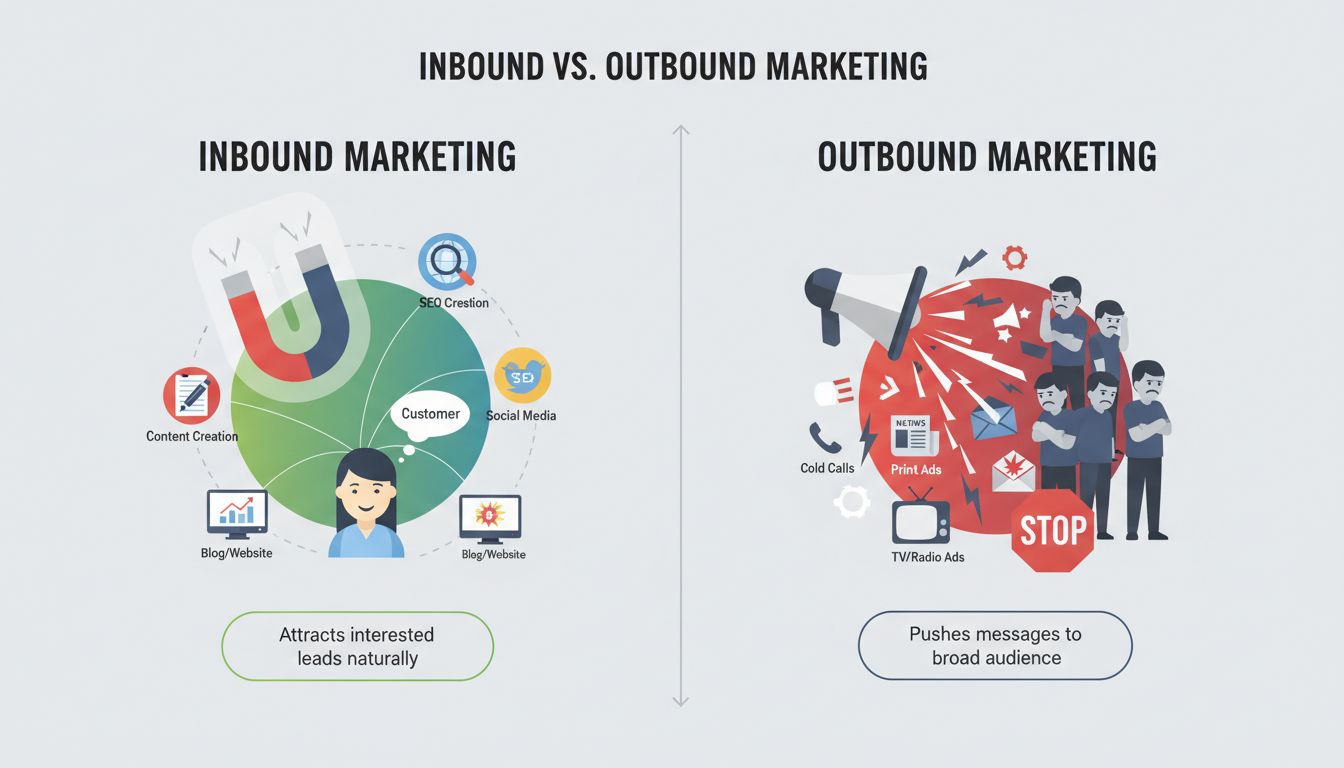
Outbound marketing, often called traditional marketing, involves pushing messages out to a broad audience. Think TV ads, radio spots, cold calls, direct mail, and banner ads. It’s a more interruptive form of communication, where the marketer controls the message and timing. Historically, outbound marketing was king because it offered quick exposure and measurable results—if you spent enough money, you saw immediate traffic or leads. However, in recent years, its effectiveness has been questioned due to rising ad fatigue and ad-blocking technologies. Despite this, outbound remains relevant, especially in certain industries or for brand awareness campaigns.
One of the key advantages of outbound marketing is its ability to generate rapid visibility. For example, launching a TV campaign during a major sporting event can instantly boost brand recognition. Yet, the downside is its high cost and often low conversion rates. Many marketers find that outbound strategies can feel like shouting into the void, especially when targeting a highly selective or niche audience. Moreover, outbound tactics often lack the personalization and engagement that modern consumers expect. The challenge lies in balancing traditional outbound efforts with more targeted, inbound tactics, especially as consumer attention becomes scarcer.
Inbound Marketing: Definition, Appeal, and Strategic Benefits
In contrast, inbound marketing focuses on attracting consumers through valuable, relevant content. It’s about earning attention rather than buying it. What Is Inbound Marketing, and Why Are Business Leaders Seduced by It? The answer lies in its ability to create lasting relationships by providing solutions to consumer problems before they even ask. Content marketing, SEO, social media, and email nurturing are key components of inbound strategies. Instead of interrupting, inbound marketing pulls prospects in by offering useful information, building trust, and establishing authority in the niche.
Many leaders are captivated by inbound marketing because it aligns with the modern consumer’s journey—research-driven, self-educating, and increasingly resistant to overt advertising. The strategic advantage is clear: inbound marketing often results in higher quality leads and better conversion rates because prospects are already interested when they engage. Plus, it’s generally more cost-effective over the long run, especially as content can continue to generate traffic months or even years after publication. However, inbound marketing isn’t a quick fix; it requires patience, consistent effort, and a well-planned content strategy.
Strategic Differences: Outbound vs Inbound
Targeting and Reach
Outbound marketing casts a wide net, aiming to reach as many people as possible, regardless of their interest level. It relies on volume—more impressions, more clicks, more conversions. Conversely, inbound marketing targets specific personas, focusing on attracting highly relevant visitors who are already searching for solutions. This difference in targeting shapes the entire strategy, with outbound often being more suited to brand awareness campaigns and inbound excelling in lead nurturing and conversion.
Cost and ROI
Outbound marketing typically demands higher upfront investments—media buys, production costs, cold outreach efforts—yet provides measurable immediate results. Inbound marketing, while initially resource-intensive (content creation, SEO optimization), tends to generate a more sustainable ROI over time. As detailed in the insights from HitPublish, the long-term benefits of inbound include lower customer acquisition costs and higher lifetime value, especially when content continues to attract organic traffic.
Speed of Results
One of the starkest differences is speed. Outbound marketing can produce quick wins, making it appealing for campaigns with tight deadlines or product launches. Inbound marketing, by contrast, often requires months of consistent effort before results materialize. It’s more of a marathon than a sprint. For businesses seeking immediate impact, outbound might seem more attractive, but for sustained growth, inbound offers a more resilient approach.
Practical Considerations and Choosing the Right Strategy
Deciding between inbound and outbound marketing isn’t a binary choice. In fact, many successful companies adopt a hybrid approach, leveraging the strengths of both. The key lies in understanding your specific goals, target audience, and resources. For example, a startup launching a new product might prioritize outbound tactics like targeted ads and direct outreach to generate quick awareness. Meanwhile, the same startup should invest in inbound content marketing to build a loyal customer base over time.
To craft an effective marketing mix, consider these practical tips:
- Define clear objectives: Are you after immediate sales, brand awareness, or long-term loyalty?
- Know your audience: Use data to identify where your prospects are in their buyer journey.
- Align tactics with goals: Use outbound for quick wins, inbound for building trust and authority.
- Measure continuously: Track KPIs like lead quality, conversion rates, and customer lifetime value.
- Stay flexible: Be ready to pivot based on results and market changes.
Case Study: A B2B SaaS Company
Consider a SaaS firm that initially relied heavily on outbound cold calling and paid ads. While it generated short-term leads, growth plateaued. They decided to integrate inbound tactics—blog content, webinars, and targeted SEO—resulting in a steady increase in inbound inquiries. Over 12 months, their cost per lead dropped by 30%, and the quality of leads improved because prospects were already engaged and educated. This hybrid approach exemplifies how blending strategies can optimize results.
Challenges and Limitations of Each Approach
English text: Limits and Stakes of Outbound Marketing
Despite its advantages, outbound marketing faces significant hurdles. It’s intrusive by nature, often annoying consumers who are increasingly resistant to interruptions. High costs are another barrier, especially for smaller businesses with limited budgets. Moreover, outbound efforts can generate leads that are less qualified, requiring more time and resources to convert. The rise of ad blockers and privacy regulations, such as GDPR, further complicate outbound tactics. These constraints mean outbound marketing must be carefully targeted and creatively executed to remain effective.
Challenges and Constraints of Inbound Marketing
Inbound marketing, while cost-effective and sustainable, is not without its challenges. It demands a long-term commitment—sometimes up to a year before significant results appear. Content creation is labor-intensive and requires skill, consistency, and strategic planning. There’s also the risk of producing content that doesn’t resonate or attract the wrong audience, wasting resources. Furthermore, algorithm changes on platforms like Google or social media can impact organic reach, forcing marketers to adapt quickly. Success hinges on a clear strategy, ongoing optimization, and patience.
Which Strategy to Adopt for Your Business?
The choice depends heavily on your company’s unique situation, goals, and resources. If you need rapid visibility or have a limited time window, outbound marketing might be more suitable. However, for building a reputable brand and fostering long-term customer relationships, inbound marketing often proves more effective. Combining both approaches can provide immediate impact while nurturing sustainable growth. A well-balanced strategy considers the strengths and weaknesses of each, aligning tactics with overall business objectives.
For instance, a retail brand might use outbound advertising to promote seasonal sales while simultaneously investing in inbound content to develop customer loyalty. The key is to measure and optimize continuously, ensuring each tactic complements the other. As the market evolves, so should your strategy—remaining adaptable is crucial for staying ahead.
Actionable Tips to Implement a Successful Inbound Marketing Strategy
Building an inbound marketing plan that delivers results requires deliberate effort and strategic planning. Here are some practical tips:
- Develop Buyer Personas: Understand your ideal customers’ pain points, preferences, and behaviors.
- Create Valuable Content: Blog posts, videos, eBooks, and case studies that address real problems.
- Optimize for SEO: Use targeted keywords, quality backlinks, and technical SEO to improve organic visibility.
- Leverage Social Media: Distribute content where your audience is active, engaging authentically.
- Implement Marketing Automation: Use tools to nurture leads through personalized email workflows.
- Analyze and Adjust: Regularly review analytics to refine your content and distribution strategies.
Ultimately, successful inbound marketing hinges on consistency and authenticity. It’s about building trust over time, which pays dividends in customer loyalty and brand reputation. Remember, the digital landscape is constantly changing; staying informed and adaptable ensures your strategy remains effective.
Impact Focus: Immediate Results or Sustainable Growth?
This fundamental question often shapes the choice between inbound and outbound marketing. Outbound tactics can deliver quick wins, making them appealing for campaigns with urgent goals. Conversely, inbound marketing emphasizes long-term growth, building a pipeline of engaged prospects that convert over time. Both approaches have their place, and the best strategy often involves integrating them based on specific objectives.
For example, a new product launch might leverage outbound advertising to generate buzz rapidly. Simultaneously, content marketing efforts can nurture leads and foster loyalty. As companies mature, shifting focus toward inbound strategies becomes more viable, reducing dependence on costly outbound channels. Ultimately, understanding your business’s priorities and resources guides the optimal mix of both tactics.
Final Takeaways and Next Steps
Deciphering the debate between inbound and outbound marketing isn’t about choosing one over the other but understanding how they complement each other. While outbound offers immediate impact, inbound provides a foundation for sustainable growth. Successful marketers craft a tailored blend that aligns with their goals, target audience, and budget constraints. Remember, the landscape is dynamic—what works today might need adjustment tomorrow.
Staying informed through industry insights and continuously testing your strategies are keys to success. For those ready to refine their approach, exploring innovative tools and platforms can make a significant difference. According to HitPublish, the right automation tools can streamline inbound efforts and improve overall ROI. Adopting a results-focused mindset and embracing flexibility positions your business to thrive amid ongoing market shifts.
In the end, whether seeking quick impact or long-term dominance, understanding and strategically applying inbound and outbound marketing principles is vital. Stay curious, measure diligently, and adapt swiftly—your marketing success depends on it.