Effortless SEO Publishing on WordPress to Boost Your Website Visibility
In the fast-paced world of digital marketing, content remains king. However, creating high-quality, SEO-optimized articles consistently can be a daunting task, especially when juggling multiple responsibilities. For marketers aiming to boost their website’s visibility, the challenge isn’t just about producing content but ensuring it ranks well in search engines and attracts genuine traffic. Fortunately, advancements in AI technology have revolutionized this landscape, making content creation and SEO optimization more accessible and efficient than ever before.
Imagine a scenario where you could generate compelling, SEO-friendly articles with minimal effort, right within your WordPress dashboard. This isn’t just a pipe dream anymore. The rise of AI-powered content generators and automation tools enables marketers to streamline their content workflows, freeing up valuable time and resources. In this article, we’ll explore how you can leverage these cutting-edge solutions to publish top-tier articles effortlessly, enhance your site’s visibility, and drive meaningful traffic—without the typical hassle associated with content marketing.
Understanding the Power of AI in Content Creation and SEO
What is AI-Driven Content Generation?
At its core, AI content generation involves using sophisticated algorithms to produce human-like text based on input prompts. These tools analyze vast amounts of data, learning patterns, tone, and structure to craft articles, blog posts, or product descriptions that read naturally. The best part? You don’t need to be a writer or SEO expert to harness this technology. AI can generate drafts, suggest improvements, and even optimize content for search engines.
For marketers, AI content tools are a game-changer because they drastically reduce the time spent on initial drafts. Instead of staring at a blank page, you input your topic or keywords, and the AI does the heavy lifting. The result is a near-ready article that only needs minor editing—saving hours, if not days, of work. Plus, many AI tools now incorporate SEO optimization features, ensuring your content aligns with best practices for search rankings.
The Role of AI in SEO and Optimization
SEO is a complex, ever-evolving field. It involves keyword research, on-page optimization, backlink strategies, and technical tweaks. Integrating AI into this process simplifies many of these tasks. AI-powered SEO tools analyze your content, suggest relevant keywords, optimize meta descriptions, and even improve readability—all in real-time.
One significant advantage is automation. With AI, you can automatically generate SEO-optimized content that adheres to current algorithms. This means you can consistently publish articles that are tailored to rank well, without manual keyword stuffing or outdated tactics. As a result, your site can see a boost in organic traffic, higher rankings, and better engagement metrics.
How to Set Up Your WordPress Site for Effortless SEO Content Publishing
Choosing the Right Plugins and Tools
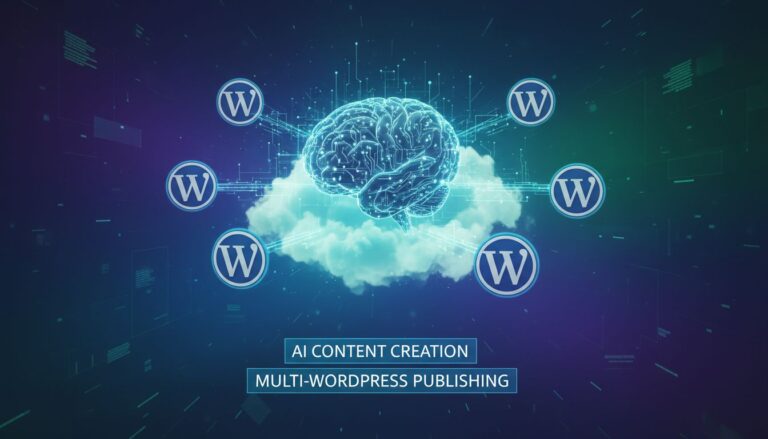
To truly automate and optimize your content creation process, selecting the proper plugins is crucial. WordPress offers a multitude of options—many of which integrate seamlessly with AI content generators and SEO tools. A few must-have plugins include Yoast SEO, Rank Math, and AI-based content generators like HitPublish. These tools work together to ensure your content is optimized from drafting to publishing.
Moreover, many AI content tools now offer direct WordPress integration, allowing you to generate and publish articles without leaving your site. For example, some platforms enable you to input your keywords or topics, then produce a draft that can be edited and published directly within WordPress. This kind of automation reduces the steps involved, making content creation nearly effortless.
Implementing Automated SEO Optimization
Once your AI content generator is integrated, focus on automating SEO tasks. Set your plugins to analyze each article for keyword density, readability, and meta descriptions automatically. These tools can suggest improvements or even make adjustments on the fly. Over time, your site will develop a library of well-optimized content, consistently boosting your visibility.
Additionally, scheduling posts with SEO in mind can be automated. Using WordPress scheduling features, combined with AI-generated content, allows you to plan your publishing calendar weeks or months in advance. This strategic approach ensures a steady flow of fresh, optimized content that appeals to both search engines and your audience.
Strategies for Creating High-Performing, SEO-Optimized Content with AI
Focus on Quality and Relevance
While AI can generate content quickly, it’s vital to ensure that the output maintains quality and relevance. Using AI as a drafting assistant is effective, but human oversight remains critical. Review and refine AI drafts to add unique insights, real-world examples, or industry-specific nuances that AI might miss.
For instance, a case study from a marketing agency showed that combining AI-generated drafts with expert editing resulted in a 35% increase in organic traffic within three months. This hybrid approach leverages the speed of AI with the authenticity and depth only humans can provide.
Incorporate Long-Tail Keywords and User Intent
AI tools excel at identifying keyword opportunities, especially long-tail keywords that reflect user intent. Incorporate these naturally into your content to attract highly targeted traffic. For example, instead of a generic keyword like “SEO,” focus on “best AI tools for WordPress SEO optimization.” This specificity helps your content stand out in search results and attracts visitors more likely to convert.
Use Data and Analytics to Refine Content Strategy
Regularly monitor your content’s performance through analytics platforms like Google Analytics or SEMrush. Identify which articles rank well, generate traffic, or convert visitors. Use these insights to inform your AI content creation, focusing on topics and keywords that deliver results. Over time, this data-driven approach ensures your content remains aligned with audience interests and search engine algorithms.
Case Study: Transforming Content Marketing with AI Automation
A mid-sized eCommerce business struggled with content production and SEO rankings. They adopted an AI content generator integrated with their WordPress site, enabling them to produce SEO-optimized articles at scale. By automating keyword research, drafting, and optimization, they increased their organic traffic by 50% within six months.
The key was consistent publishing of relevant, high-quality content that attracted backlinks and engagement. The business also used the AI tools to update old articles, improving their rankings and relevance. This approach demonstrates how leveraging AI for content creation and automation can dramatically enhance visibility and traffic.
Key Takeaways from the Case Study
- Automation reduces content production time significantly
- SEO optimization is integrated seamlessly with AI tools
- Regular updates and data analysis refine content strategy
- Quality over quantity remains essential, even with AI assistance
Addressing Common Concerns and Limitations
Is AI Content Too Generic or Unoriginal?
This is a common worry, but it’s increasingly outdated. Modern AI tools can produce highly unique and contextually relevant content. The secret lies in how you utilize AI—view it as a starting point rather than the final product. Human editing, personalization, and adding your brand voice ensure your content stands out.
Can AI Fully Replace Human Writers?
While AI has come a long way, it’s not a complete substitute for human creativity and strategic thinking. AI excels at efficiency and data-driven content but often lacks nuance, emotional appeal, or industry-specific insights. Combining AI with human expertise yields the best results, especially for authoritative or complex topics.
Cost and Learning Curve
Implementing AI tools involves an initial investment and some learning. However, the long-term benefits—saving time, increasing traffic, and improving SEO—often outweigh these costs. Many platforms now offer user-friendly interfaces, making adoption easier for marketers of all skill levels.
Final Tips for Effortless, SEO-Optimized Content Publishing
- Start with a clear content plan and target keywords based on research
- Leverage AI tools that integrate directly with WordPress for seamless workflow
- Regularly review and refine AI-generated drafts to match your brand voice
- Automate publishing schedules and SEO checks to maintain consistency
- Use analytics to adapt your content strategy dynamically
By integrating AI-powered content creation and SEO automation, you can transform your WordPress site into a traffic magnet with minimal effort. The key is to blend technology with strategic oversight, ensuring your content remains valuable, engaging, and optimized for search engines. As the digital landscape continues to evolve, staying ahead means embracing these tools and techniques that make your content marketing smarter, faster, and more effective.
For those ready to take the leap, exploring platforms like HitPublish’s AI content tools can provide the foundation needed to automate your SEO and content creation processes effectively. This way, you’ll turn your website into a well-oiled machine, consistently attracting visitors and converting leads without the usual hassle.