Create Efficient Content Calendars for 50+ WordPress Sites Simultaneously
Creating Content Calendars for 50+ WordPress Sites Simultaneously
Managing multiple WordPress sites can feel like juggling flaming torches—exciting but also potentially dangerous if you’re not careful. For digital marketers, bloggers, or small business owners handling more than fifty sites, keeping content fresh, consistent, and relevant becomes a monumental task. Wouldn’t you agree? Without a proper plan, it’s easy to fall behind, publish duplicate content, or neglect important topics. frankly speaking, The solution? Creating a well-structured content calendar that works across all your sites. In this article, I’ll share practical strategies, tips, and tools to help you craft content calendars for 50+ WordPress sites simultaneously—without losing your mind in the process. But how do you do that efficiently when managing such a large number of sites?
Understanding the Importance of a Unified Content Calendar
Why Bother with a Content Calendar?
Think about your favorite TV show. That consistency keeps viewers coming back. It airs episodes on a predictable schedule, right? What do you think? The same principle applies to your websites. A content let’s face it, calendar acts like a broadcasting schedule—ensuring your sites publish content regularly and strategically. It prevents in my view, last-minute scrambling, helps you plan ahead for seasonal topics, and keeps your audience engaged. Plus, let’s face it, it saves time. Instead of figuring out what to post every day, you have a plan laid out in advance. For managing 50+ WordPress sites, this becomes critical. Otherwise, you’ll drown in a sea of unfinished drafts, forgotten ideas, and inconsistent posting schedules.
Key Benefits of a Well-Organized Content Calendar
- Consistency: Regular posting builds trust and boosts SEO.
- Efficiency: Batch content creation saves time and reduces stress.
- Strategic Focus: Align content with business goals or seasonal trends.
- Team Collaboration: Everyone knows what’s coming up and can prepare accordingly.
- Content Variety: Plan a mix of blogs, videos, and social posts to keep things fresh.
Challenges in Managing 50+ WordPress Sites
Volume and Complexity
Handling one or two sites is manageable. But fifty? That’s a different story. Each site may have its own niche, audience, and content needs. Keeping track of what’s published where, what’s scheduled, and what ideas are in the pipeline can quickly become chaotic. This complexity demands a system that scales well and keeps everything organized. Plus, each site might require different content types, keywords, or promotional strategies.
Time Constraints
It’s tempting to think you can do it all in a few hours a week. Reality check? It’s not that simple. When multiplied across dozens of sites, the workload grows exponentially. Isn’t that something? Creating quality let’s face it, content takes time—research, writing, editing, designing visuals, and publishing. Without a clear plan, you risk burnout or, worse, neglecting some sites altogether.
Consistency and Quality Control
Some sites might need weekly updates, while others can stretch to bi-weekly or monthly. Maintaining quality across all platforms is tough, especially when juggling multiple deadlines. An effective content calendar helps you allocate resources wisely, ensuring every site gets the attention it deserves without sacrificing quality.
Practical Strategies for Creating a Unified Content Calendar
Step 1: Centralize Your Planning
The first step is to avoid scattered notes or multiple spreadsheets. Use a centralized tool—whether it’s a master Excel sheet, Google Sheets, or a dedicated content management system. For example, you might have a row for each site and columns for topics, keywords, deadlines, and status. This master calendar should list all your sites, content themes, publishing dates, and responsible team members if you have a team. Picture at a glance., Keeping everything frankly speaking, in one place helps you see the big
Step 2: Categorize Content by Site and Topic
Not all sites are the same. Some may focus on local services, others on product reviews, or educational content. Categorize your for what it’s worth, content accordingly. Assign themes or categories to each site. For instance, Site A could focus on health tips, while Site B covers travel advice. This way, your content calendar will reflect the unique needs of each site, and you won’t accidentally publish the same piece across multiple platforms.
Step 3: Use Templates and Repeatable Structures
Save time by creating templates for your posts. For example, a standard blog post structure, social media snippets, or email newsletters. When creating in my view, content in bulk, templates help keep things consistent and streamline the process. Plus, you can reuse successful formats across multiple sites, saving effort and maintaining quality.
Step 4: Automate and Schedule
Automation is your best friend when managing many sites. WordPress has built-in scheduling features, but you can also use third-party tools to automate publishing, social media sharing, and even content promotion. For example, tools like scheduling plugins or social media management platforms can push content live on specified dates and times. This frees you from the daily grind and ensures your sites stay active even when you’re busy elsewhere.
Step 5: Set Realistic Goals and Deadlines
Set achievable frankly speaking, targets—perhaps a certain number of posts per week per site. Don’t overcommit. Break down big projects into smaller tasks with clear deadlines. If you aim for too much too fast, your content will suffer, and you’ll burn out quickly. Remember, quality beats quantity.
Tools and Systems to Manage Multiple WordPress Sites Effectively
Content Management Platforms
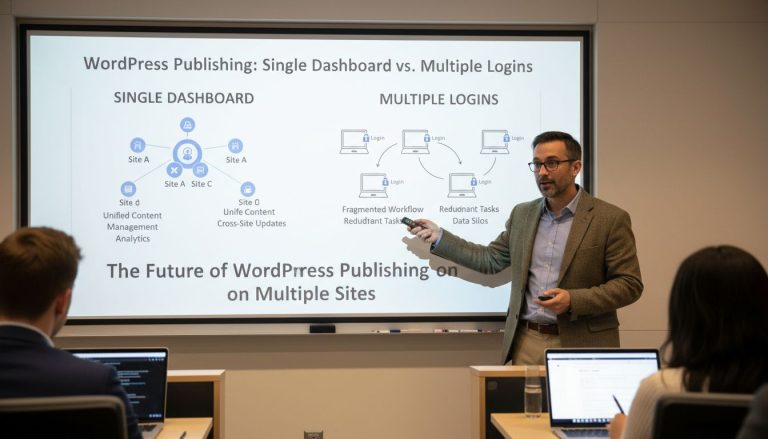
Managing 50+ sites manually in WordPress is doable but not ideal. Consider using tools like HitPublish. These platforms let you control multiple WordPress sites from one dashboard. Wouldn’t you agree? You can schedule posts, update plugins, monitor security, and review analytics—all in one place. For example, HitPublish allows you to create posts and schedule them across all your sites at once. It’s like having a remote control for your digital empire.
Content Calendar Tools
- Google Sheets: Free, flexible, and easy to share. Assign tasks, set deadlines, and track progress.
- CoSchedule or Editorial Calendar Plugins: Built specifically for content scheduling within WordPress or compatible tools. Use color-coding for quick visual cues.
- Trello or Asana: Kanban-style boards help visualize your content pipeline. Who hasn’t noticed that? They offer drag-and-drop interfaces and integration with your workflow.
- HitPublish: just type the topic and it generates your content, complete with a featured image, and publishes it directly at the scheduled day and time, fully automated.
Automation and Scheduling Tools
Tools like Buffer or Hootsuite can schedule social media posts across platforms, saving you time. For publishing blog content, WordPress plugins like WP Scheduled Posts simplify the process of queuing multiple posts and setting publication times. To streamline high-quality content creation and automation, consider using tools like HitPublish, which can help you plan and publish content from your calendars, automating repetitive tasks in the process.
Case Study: Managing 50+ Sites with a Single Calendar
Imagine Sarah, a digital marketer with sixty niche websites. She used to create content ad hoc, which led to inconsistent posting and missed deadlines. Then she adopted a master Google Sheets calendar. She categorized in my view, sites by niche, assigned weekly themes, and set deadlines. Using HitPublish, she scheduled posts directly from her spreadsheet. She also used Trello to assign content tasks to her freelance writers. Over three months, her sites saw a 25% increase in traffic, and her stress levels dropped significantly. The key was having everything in one place and automating as much as possible.
Lessons Learned
- Centralize planning to avoid chaos.
- Automate where possible to save time.
- Set realistic goals—quality over quantity.
- Use the right tools tailored for bulk management.
Final Tips and Best Practices
Stay Flexible
No plan survives contact with reality intact. Be ready to adapt your calendar as needed. If a site isn’t performing well, reevaluate your content strategy. If a trending topic suddenly gains popularity, insert a quick post.
Review and Adjust Regularly
Set aside time monthly to review your content calendar’s effectiveness. Are you hitting your targets? Is content engaging your audience? Use analytics to guide adjustments. Sometimes, what worked last quarter might need tweaking now.
Don’t Underestimate the Power of Teamwork
If possible, involve others—writers, editors, designers—to share the workload. Clear communication and shared tools make this easier. Remember, managing 50+ sites isn’t a one-person job unless you’re a superhero or have a big team. Isn’t that something?
Imagine having a powerful team that works for you around the clock, at any time of day or night, with just a single click, operating 24/7.
Conclusion: Making It Work for Your Unique Situation
Focus on centralization, automation, and realistic planning. Creating content calendars for 50+ WordPress sites is daunting but doable with the right approach. Use the tools that fit your workflow and don’t be afraid to adjust along the way. Remember, the goal isn’t to publish more, but to publish better. A well-planned content calendar keeps your sites alive and thriving, even when managing a digital empire feels overwhelming. “Failing to plan is planning to fail.” — Alan Lakein If you’re serious about managing multiple WordPress sites efficiently, start small. Build your system step-by-step, and don’t get discouraged if things aren’t perfect at first. Over time, your process will become smoother, and your sites will thank you with increased traffic and engagement. So, grab a blank calendar, your favorite tools, and get planning today. Your digital portfolio will thank you for it.