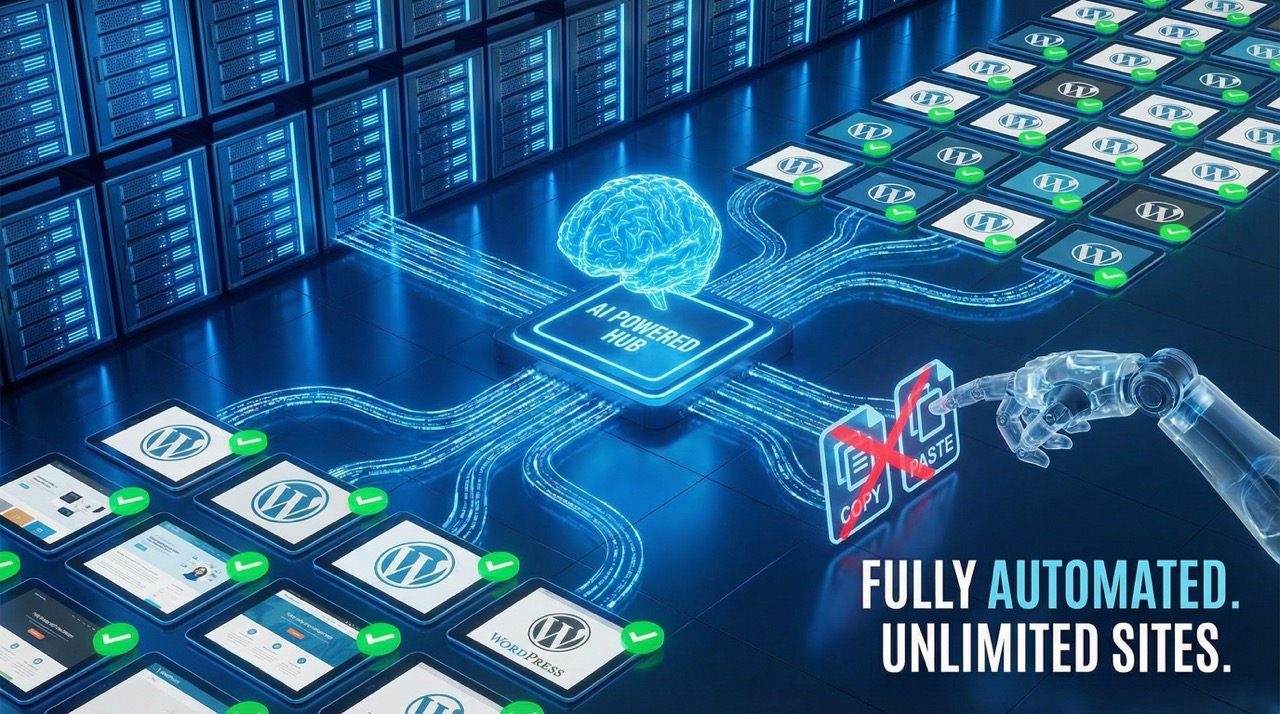
No Copy – No Paste, Everything is Fully Automated
Content creation has become both a necessity and a challenge for marketers striving to stay ahead. Traditional methods—writing, editing, optimizing—are time-consuming and often resource-intensive. Enter the era of AI-driven automation, where everything from drafting to SEO optimization can be handled seamlessly, drastically reducing human effort while boosting results. The promise of “No Copy No Paste” and fully automated content workflows is no longer a distant dream but a tangible reality. This article explores how leveraging AI tools for content creation and SEO automation can revolutionize your marketing strategy, offering tangible examples, actionable tips, and insights into the most effective practices. We will dive into how these technologies can help scale content production, enhance SEO rankings, and free up valuable time for creative and strategic endeavors.
The Shift Toward Fully Automated Content Creation
In the past, content marketing required a dedicated team of writers, editors, and SEO specialists working tirelessly to produce and optimize content. Today, AI-powered content generators are transforming this landscape. These tools analyze vast amounts of data, generate human-like text, and optimize content for search engines—all in real-time. The core benefit is clear: automation reduces bottlenecks, accelerates production, and ensures consistency across multiple sites or platforms. Marketers no longer need to micromanage every detail or worry about duplication, as AI tools adapt and learn from ongoing inputs. This shift is especially critical for agencies managing multiple clients, where efficiency and scalability are paramount.
Why Automation Matters in Content Marketing
Automation isn’t just a buzzword; it’s a strategic necessity. For example, AI tools for multi-site SEO enable agencies to optimize dozens or hundreds of websites simultaneously. They can automatically generate meta tags, keywords, and content tailored to each site’s niche. This not only saves hours but also improves the consistency of SEO efforts. Additionally, automating routine tasks like content scheduling, keyword tracking, and performance analysis allows marketers to focus on high-level strategy and creative development. The result is a more agile, responsive marketing operation that can adapt quickly to changing algorithms or market trends.
How AI-Driven Content Generation Works
At the heart of AI content creation are advanced language models that learn from enormous datasets. These models can produce articles, blog posts, product descriptions, and even social media content that reads naturally. The process typically involves inputting some parameters—such as topic, tone, and keywords—and letting the AI generate draft content. From there, human editors can fine-tune the output, but the bulk of the heavy lifting is handled by the AI. This approach ensures rapid content scaling without sacrificing quality. For instance, a digital marketing agency can use AI tools like WordPress AI content generators to churn out dozens of articles weekly, with minimal manual intervention.
Benefits of AI Content Generators
- Speed: Generate high-quality drafts in seconds or minutes.
- Scalability: Produce content for multiple sites or campaigns simultaneously.
- Consistency: Maintain a uniform tone and style across all content pieces.
- SEO Optimization: Integrate targeted keywords and optimize for Google ranking automatically.
- Cost Savings: Reduce the need for large writing teams and freelance costs.
However, it’s important to recognize the limits. AI-generated content may sometimes lack nuance or emotional depth, so human oversight remains essential. Still, when paired with strategic editing, these tools dramatically enhance productivity.
Integrating AI into Your SEO Strategy
SEO remains the backbone of effective digital marketing. AI tools for SEO automate keyword research, backlink analysis, and content scoring, enabling you to fine-tune your strategy with precision. For instance, auto SEO tools powered by AI can analyze your site’s existing content, identify gaps, and suggest improvements. They can also generate SEO-optimized content that aligns with current ranking factors, ensuring your pages are well-positioned on Google. The key is to leverage AI to keep your SEO efforts agile, data-driven, and continuously improving.
AI for WordPress and SEO Automation
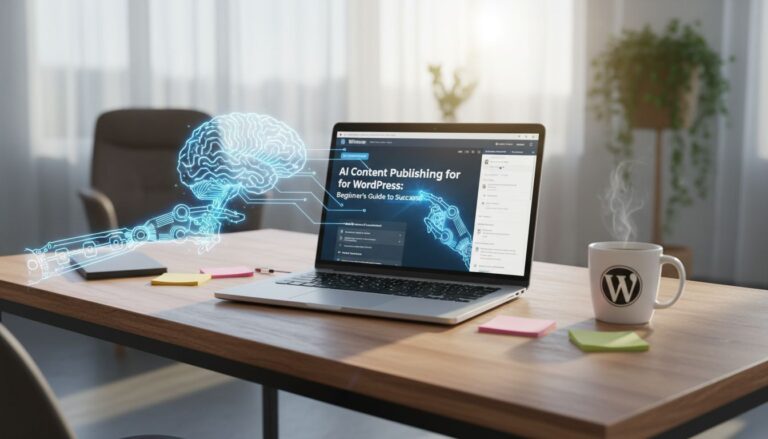
WordPress is the dominant platform for website hosting, and integrating AI tools directly into WordPress workflows is a game-changer. WordPress AI content generators can automatically create, publish, and optimize posts, reducing manual effort. Similarly, WordPress SEO automation tools ensure your site remains optimized without constant manual updates. These systems analyze your content, suggest improvements, and even adjust your meta descriptions or internal linking strategies. This level of automation not only boosts your search rankings but also allows you to dedicate more time to strategic initiatives rather than routine optimizations.
Case Study: Boosting Traffic with AI-Driven SEO
Consider a small e-commerce site that struggled to rank for competitive keywords. By deploying AI-powered SEO tools for multi-site management, they were able to generate targeted content across product pages and blog sections. Using AI content scoring, they identified underperforming pages and quickly optimized them. Over six months, their organic traffic doubled, and conversion rates improved significantly. The secret was consistent, SEO-optimized content created at scale, coupled with ongoing AI-driven adjustments based on search engine algorithm updates. This example underscores how AI can be a powerful partner in content marketing and SEO efforts.
Practical Tips for Implementing Fully Automated Content Workflows
Transitioning to a fully automated content ecosystem requires careful planning and execution. Here are some actionable insights:
- Define Clear Objectives: Know what you want to achieve—whether it’s increasing traffic, boosting conversions, or scaling content production.
- Select the Right Tools: Research and choose AI content generators and SEO automation tools that fit your needs. Look for platforms like HitPublish that offer comprehensive features.
- Establish Content Guidelines: Even with automation, defining your brand voice, tone, and style ensures consistency.
- Implement Human Oversight: Use AI-generated content as drafts or outlines. Human editors refine and approve before publishing.
- Monitor and Adjust: Regularly analyze performance metrics and tweak your AI settings for better results.
- Leverage AI for Content Calendars: Utilize AI tools for content scheduling and planning, ensuring steady output aligned with marketing campaigns.
Automation is not a set-it-and-forget-it solution. It requires ongoing management and optimization. The beauty of these systems is that they learn and improve over time, especially when integrated with robust analytics and feedback loops.
Risks and Limitations of Fully Automated Content
Despite the impressive capabilities, fully automated content workflows are not without pitfalls. Over-reliance on AI can lead to content that feels generic or lacks authenticity. Search engines are increasingly adept at detecting AI-generated content, and Google’s algorithms prioritize originality and user engagement. As a result, some automated content may even harm your rankings if not properly overseen. Additionally, AI tools can sometimes produce inaccuracies or off-topic material, which underscores the importance of human oversight and quality control.
Another consideration is the potential for duplicate content, especially when automating across multiple sites. This can trigger penalties or diminish your site’s authority. Therefore, it’s essential to customize AI outputs and regularly update your content to keep it fresh and relevant. Balancing automation with strategic human input creates the best results and mitigates risks.
The Future of AI in Content Marketing and SEO
Looking ahead, AI will become even more integral to content creation and SEO. Advances in natural language understanding and machine learning will enable AI tools to generate more nuanced, engaging, and contextually aware content. We’re already seeing AI assist in voice search optimization, personalized content recommendations, and dynamic content generation based on user behavior. For marketers, this means embracing automation not as a shortcut but as a strategic partner that enhances creativity and efficiency.
As noted by industry experts, “AI’s potential in content marketing is vast, but it must be wielded with care and strategic intent” (Smith, 2024). The key is to leverage AI tools to augment human creativity, not replace it. When used thoughtfully, AI-driven workflows can lead to better rankings, higher traffic, and a more agile marketing operation.
Final Takeaway: Embrace Automation to Elevate Your Content Strategy
Automation, when executed correctly, transforms the way marketers approach content and SEO. It allows for faster production, better optimization, and more scalable strategies. The goal is not to eliminate human effort but to amplify it—freeing up time for strategic thinking, creative innovation, and engaging storytelling. Tools like WordPress AI content generators and SEO automation platforms make this possible, providing a competitive edge in a crowded digital world.
To truly harness the power of AI, start small, test different tools, and measure outcomes meticulously. As you refine your workflows, the benefits—improved site traffic, higher Google rankings, and more impactful content—will become undeniable. The future belongs to those who adapt quickly and leverage technology smartly. Fully automated, no-copy workflows are no longer a distant future but a present-day reality waiting to be seized. Embrace this shift and position your marketing efforts for sustained success.