AI Content Generators Enhance WordPress & Headless CMS Efficiency
How AI Content Generators Fit Perfectly Into WordPress & Headless CMS Workflows
In today’s digital landscape, content remains king. Marketers continuously seek innovative ways to produce high-quality, engaging content at scale. Enter AI content generators—powerful tools that are transforming how businesses manage their content workflows. For organizations utilizing WordPress and headless CMS architectures, integrating AI content creation offers a strategic advantage. This integration not only streamlines content production but also enhances personalization, improves SEO, and accelerates time-to-market. As AI technology advances, its role in digital marketing becomes increasingly vital, enabling marketers to meet growing content demands efficiently. This article explores how AI content generators fit seamlessly into WordPress and headless CMS workflows, offering actionable insights, real-world examples, and practical tips to leverage their full potential.
Understanding AI Content Generators and Their Capabilities
What Are AI Content Generators?
AI content generators are sophisticated algorithms designed to produce human-like text based on input prompts. Powered by machine learning models such as GPT (Generative Pre-trained Transformer), these tools analyze vast datasets to generate coherent, relevant, and engaging content. They can craft blog posts, product descriptions, social media updates, and more, reducing the manual effort involved in content creation. Their ability to understand context and adapt tone makes them invaluable for marketers seeking scalable solutions.
Core Capabilities and Benefits
- Speed: AI tools can generate large volumes of content within seconds, drastically reducing production timelines.
- Consistency: Maintaining a uniform voice and style across multiple pieces becomes easier with AI assistance.
- Personalization: AI can tailor content based on user data, enhancing engagement and conversion rates.
- Cost-Effectiveness: Automating routine content reduces labor costs and frees human resources for strategic tasks.
- Optimization: AI can incorporate SEO best practices, ensuring content ranks well in search engines.
Limitations to Consider
While AI content generators are powerful, they are not perfect. They may produce generic or inaccurate content without proper oversight. Marketers must review AI outputs for quality and relevance, especially for complex topics. Combining AI with human editing ensures the highest standards are maintained.
Integrating AI Content Generators into WordPress Workflows
Why WordPress Is Ideal for AI Integration
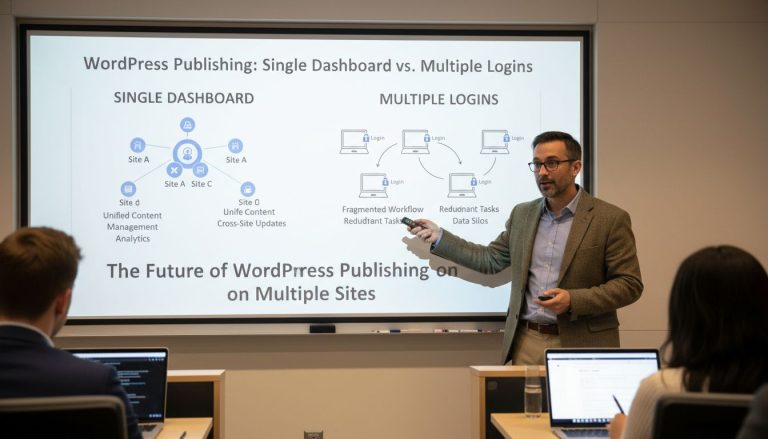
WordPress powers over 40% of websites globally, making it the de facto platform for content management. Its open-source nature and extensive plugin ecosystem facilitate seamless AI integration. Marketers can automate content creation, editing, and publishing processes directly within the WordPress environment, enhancing efficiency and consistency.
Practical Steps for Integration
- Select a compatible AI plugin or API: Choose tools like Jasper, Copy.ai, or custom API integrations that connect with WordPress.
- Configure content workflows: Automate content briefs, drafts, and revisions through automation rules.
- Set quality control measures: Implement review stages where human editors verify AI-generated content before publishing.
- Leverage SEO plugins: Use Yoast SEO or Rank Math to optimize AI-produced content for search rankings.
- Monitor and refine: Track performance metrics and adjust prompts or workflows to improve output quality.
Case Study: Boosting Blog Production with AI in WordPress
A digital marketing agency integrated AI content generators into their WordPress workflow to increase blog output by 50%. They used an AI plugin to generate initial drafts based on trending keywords, which writers then refined. The result was faster publication cycles and improved SEO performance. This approach allowed the team to focus more on strategic tasks like audience engagement and content strategy.
Leveraging AI in Headless CMS Architectures
What Is a Headless CMS?
Unlike traditional CMS platforms, headless CMS decouple content management from presentation. Content is stored via APIs, allowing developers to deliver it across multiple channels—websites, mobile apps, IoT devices, and more. This flexibility makes headless CMS ideal for organizations aiming for omnichannel content delivery.
Benefits of AI Integration in Headless CMS
- Content Personalization: AI can dynamically generate or adapt content for different user segments in real-time.
- Workflow Automation: Automate content creation, tagging, and metadata generation via APIs, reducing manual effort.
- Multichannel Consistency: Maintain uniform messaging across platforms by centralizing AI-generated content.
- Enhanced User Experience: Deliver tailored content that resonates with individual preferences, increasing engagement.
Implementation Strategies
- API Integration: Connect AI content generators via RESTful APIs to your headless CMS backend.
- Automated Content Pipelines: Establish workflows where AI tools generate drafts, which are then enriched and published through the CMS.
- Data-Driven Personalization: Use user data to prompt AI for personalized content variants.
- Version Control and Review: Implement review stages to ensure quality before content goes live.
Example: E-Commerce Personalization
An online retailer adopted a headless CMS combined with AI content generators to create personalized product descriptions and recommendations. The AI analyzed user behavior and generated tailored content, leading to a 20% increase in conversions. This setup demonstrated how AI can enable real-time customization across multiple channels efficiently.
Actionable Insights for Marketers
Maximize AI Effectiveness in Content Workflows
- Define clear content goals: Understand what you want to achieve—be it engagement, SEO, or conversions—and tailor AI prompts accordingly.
- Invest in quality control: Always review AI-generated content to maintain brand voice and accuracy.
- Train your team: Educate your marketing team on best practices for prompt engineering and AI tool usage.
- Monitor performance: Use analytics to assess content effectiveness and refine AI prompts for better results.
- Stay updated: Keep abreast of new AI developments to leverage cutting-edge features and maintain a competitive edge.
Best Practices for Seamless Integration
- Start small: Pilot AI tools on specific content types before scaling across your entire workflow.
- Combine human and AI efforts: Use AI to handle routine or bulk content, freeing humans for strategic and creative tasks.
- Maintain transparency: Communicate clearly with your team about AI use and establish guidelines for ethical content creation.
- Optimize prompts: Continuously refine AI prompts based on performance data to improve output relevance.
Conclusion: Embrace AI for Future-Ready Content Strategies
Integrating AI content generators into WordPress and headless CMS workflows is no longer optional but essential for competitive marketers. These tools enable faster production, better personalization, and improved SEO—key factors for success in today’s crowded digital space. By adopting a strategic approach—selecting the right tools, establishing robust workflows, and maintaining quality oversight—marketers can unlock new levels of efficiency and effectiveness. As AI technology evolves, those who leverage its capabilities will stay ahead of the curve, delivering compelling content that resonates with audiences and drives results. Now is the time to harness AI’s potential and transform your content strategy into a powerful, results-focused engine for growth.
“AI is not just a tool for automation; it’s a catalyst for creating more personalized, scalable, and impactful content.” – Forbes