Simplest SaaS for AI Content Creation and Multi-WordPress Publishing
The Simplest SaaS Tool for AI Content Creation That Seamlessly Publishes to Multiple WordPress Sites Effortlessly
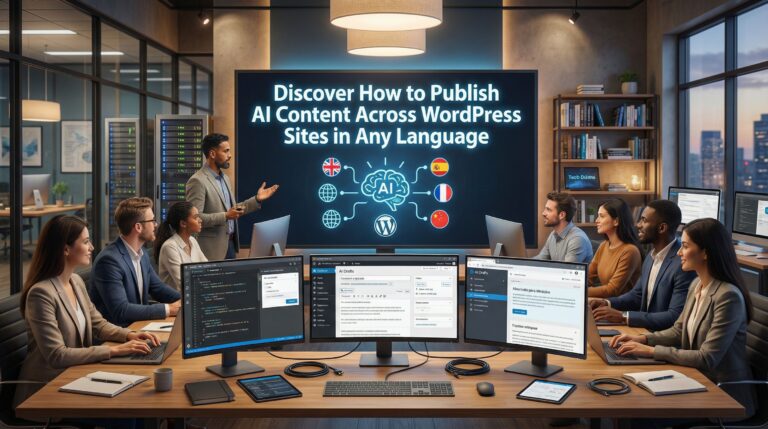
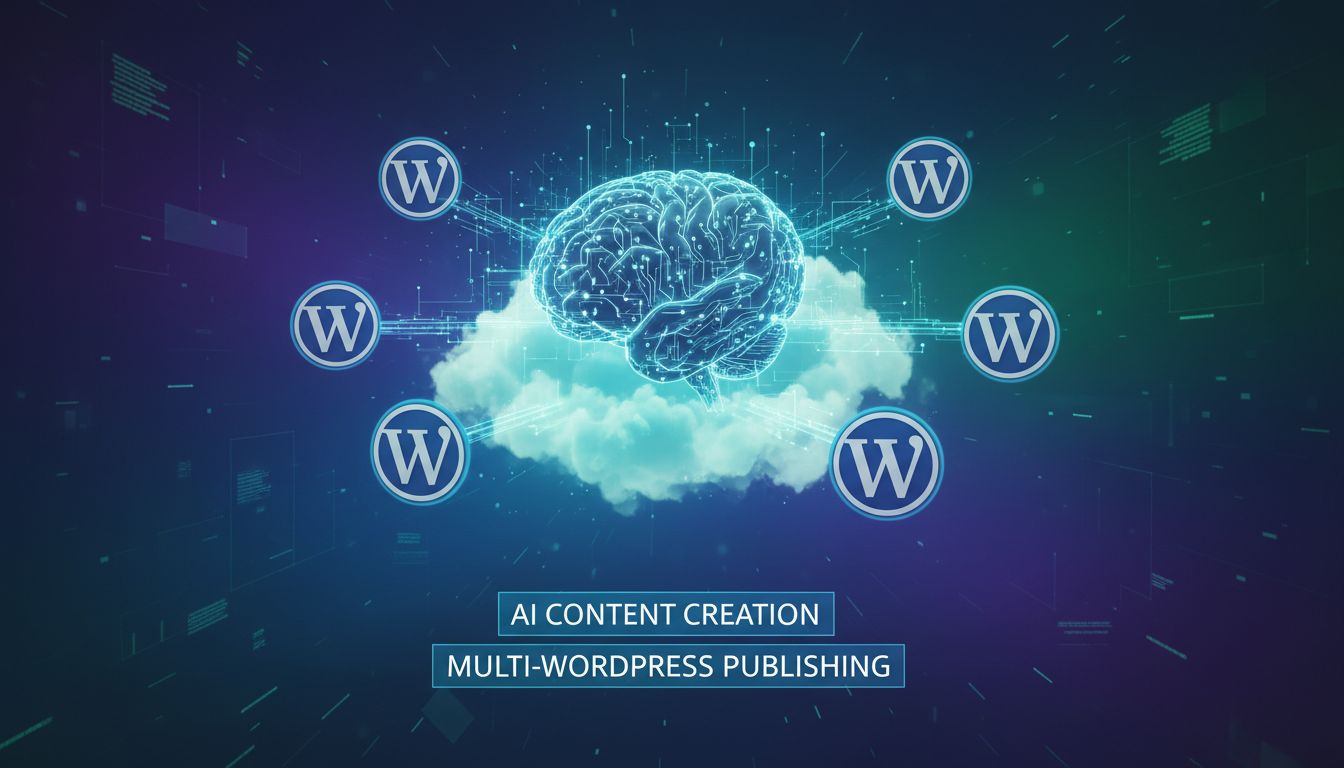
In the rapidly evolving digital landscape, content remains king—yet creating high-quality, SEO-optimized material consistently is a challenge for many businesses. The rise of AI-driven content creation tools has revolutionized this space, promising faster production and smarter optimization. But for business owners managing multiple WordPress sites, the real hurdle isn’t just generating content—it’s doing so efficiently across all platforms without drowning in manual updates or technical headaches. Enter the simplest SaaS tool designed specifically for AI content creation that can effortlessly publish to multiple WordPress sites. This tool aims to automate, streamline, and optimize content workflows, enabling businesses to boost their site traffic and improve SEO performance without breaking the bank or sacrificing quality.
Understanding the Need for AI Content Creation Tools in Business
Content marketing has become the backbone of online visibility. Whether it’s blog posts, product descriptions, or landing pages, the volume and quality of content directly influence search engine rankings and user engagement. However, producing content at scale is labor-intensive and often costly, especially for small to medium-sized enterprises. Traditional methods involve hiring writers, managing editorial calendars, and manually updating each site—an approach that quickly becomes unsustainable as the number of sites grows.
AI content creation tools address this problem by automating the generation process. They use sophisticated algorithms to craft human-like content, often optimized for SEO. This means businesses can produce more content in less time, freeing up resources to focus on strategy and engagement. Moreover, many of these tools can be integrated with WordPress, the most popular content management system, to publish directly without manual intervention. This integration is crucial because it eliminates the need to manually upload or copy-paste content, saving hours of tedious work.
The Power of SaaS for Content Automation
SaaS (Software as a Service) solutions have revolutionized how businesses access and utilize digital tools. Instead of hefty upfront investments in software licenses and infrastructure, SaaS offers subscription-based, cloud-hosted platforms accessible from anywhere. For AI content creation, SaaS brings several advantages:
- Ease of Use: No need for complex installations—users log in via a browser, configure settings, and start generating content immediately.
- Scalability: As your needs grow, you can upgrade plans or add features without hassle.
- Automation: Many SaaS tools offer scheduling, multi-site publishing, and SEO optimization features out-of-the-box.
- Cost-Effectiveness: With affordable monthly plans, even small businesses can leverage advanced AI without a huge budget.
Particularly, when dealing with multiple WordPress sites, SaaS tools can centralize control, making it straightforward to manage content pipelines, monitor performance, and maintain consistent branding. This unified approach reduces errors and ensures that every site benefits from the latest content strategies.
Key Features of the Most Effective AI Content Creation SaaS Tools
1. AI Content Generation
The core feature—generating high-quality, SEO-friendly content—must be robust. Effective tools use natural language processing (NLP) models trained on diverse datasets to produce human-like text. They can create blog posts, meta descriptions, product summaries, and more. The best solutions also allow customization, like tone adjustment or keyword emphasis, to match your brand voice and SEO goals.
2. Seamless Multi-Site Publishing
Managing multiple WordPress sites demands a platform that can push content simultaneously. A top-tier SaaS tool should support multi-site publishing, enabling users to select target sites, schedule posts, and customize content per site if needed. This significantly reduces manual effort and ensures consistent messaging across all platforms.
3. SEO Optimization and Automation
Besides generating content, these tools often include SEO features—keyword suggestions, readability analysis, and automatic meta tag creation. Automating SEO processes ensures your content is optimized from the start, boosting your chances of ranking higher in search results. Some solutions even provide analytics to track performance and suggest improvements over time.
4. Cost-Effective and Free Options
While premium plans offer advanced features, many AI content generators provide free tiers or affordable subscriptions suitable for small businesses. These free or low-cost options allow experimenting with AI content creation without significant financial commitment, making them accessible to a broad audience.
5. Integration and Compatibility
Compatibility with WordPress is non-negotiable. The tool should offer plugins or API integrations that connect seamlessly with your sites. Also, compatibility with other marketing tools—email marketing, analytics platforms, or social media schedulers—further enhances workflow efficiency.
Practical Strategies for Implementing AI Content Creation in Business
Implementing AI content tools isn’t just about flipping a switch; it requires planning and strategic thinking. Here are some actionable tips:
- Define Clear Content Goals: Know what types of content you need—blog posts, product descriptions, or FAQs—and set quality benchmarks.
- Choose the Right Tool: Evaluate SaaS options based on features, ease of use, and cost. Test free plans or demos to gauge suitability.
- Optimize for SEO from the Start: Use tools that incorporate SEO automation, ensuring content is optimized for keywords and readability.
- Schedule and Automate: Set up content calendars and automate publishing to keep your sites active without manual intervention.
- Monitor and Refine: Regularly review analytics to understand what works. Use feedback to refine prompts and content styles.
For example, a small e-commerce business managing multiple product sites could use such a SaaS tool to generate SEO-optimized descriptions, saving hours weekly. The key is to maintain a balance—using AI to supplement human oversight rather than replacing it entirely. Human editing ensures content remains aligned with brand voice and quality standards.
Case Study: Boosting Traffic with AI-Generated Content
Consider a mid-sized digital marketing agency managing over a dozen WordPress sites for various clients. Each site requires fresh, SEO-optimized content weekly. Using a SaaS AI content generator, they automate 70% of their content creation process. They focus human effort on editing and strategic planning. As a result, they saw a 40% increase in organic traffic within three months, primarily due to improved SEO-optimized content and consistent publishing schedules.
Moreover, integrating AI-driven content with their existing marketing tools allowed them to automate social media sharing and email campaigns, further amplifying their reach. Such efficiency not only improved client satisfaction but also reduced content production costs significantly, proving that smart automation can be a game-changer.
Potential Challenges and How to Overcome Them
Despite the advantages, AI content creation isn’t without pitfalls. Common concerns include content quality, originality, and SEO penalties for duplicate content. To mitigate these, always review AI-generated content before publishing, ensure uniqueness, and incorporate human creativity for nuanced topics.
Another challenge is over-reliance on automation, which can lead to generic or robotic-sounding content. Balancing AI with human oversight is essential. Training your team to craft effective prompts can also improve output quality dramatically. Remember, AI is a tool—it’s only as good as the inputs and edits it receives.
Conclusion: Embracing AI for Smarter Content Marketing
The landscape of content marketing is shifting rapidly, and AI tools are leading the charge toward smarter, faster, and more cost-effective content creation. For businesses managing multiple WordPress sites, the right SaaS solution can be a transformative asset—automating routine tasks, enhancing SEO, and ultimately driving more traffic and conversions. The key is selecting a platform that balances ease of use, flexibility, and powerful features, making it accessible even for those with limited technical expertise.
By leveraging AI content generators that seamlessly integrate with WordPress, companies can stay ahead of the curve without the need for massive teams or budgets. As the market evolves, tools like HitPublish continue to refine automation capabilities, making content creation and publication more straightforward than ever. Adopting such solutions today means investing in a future where content marketing is not just efficient but also highly effective.