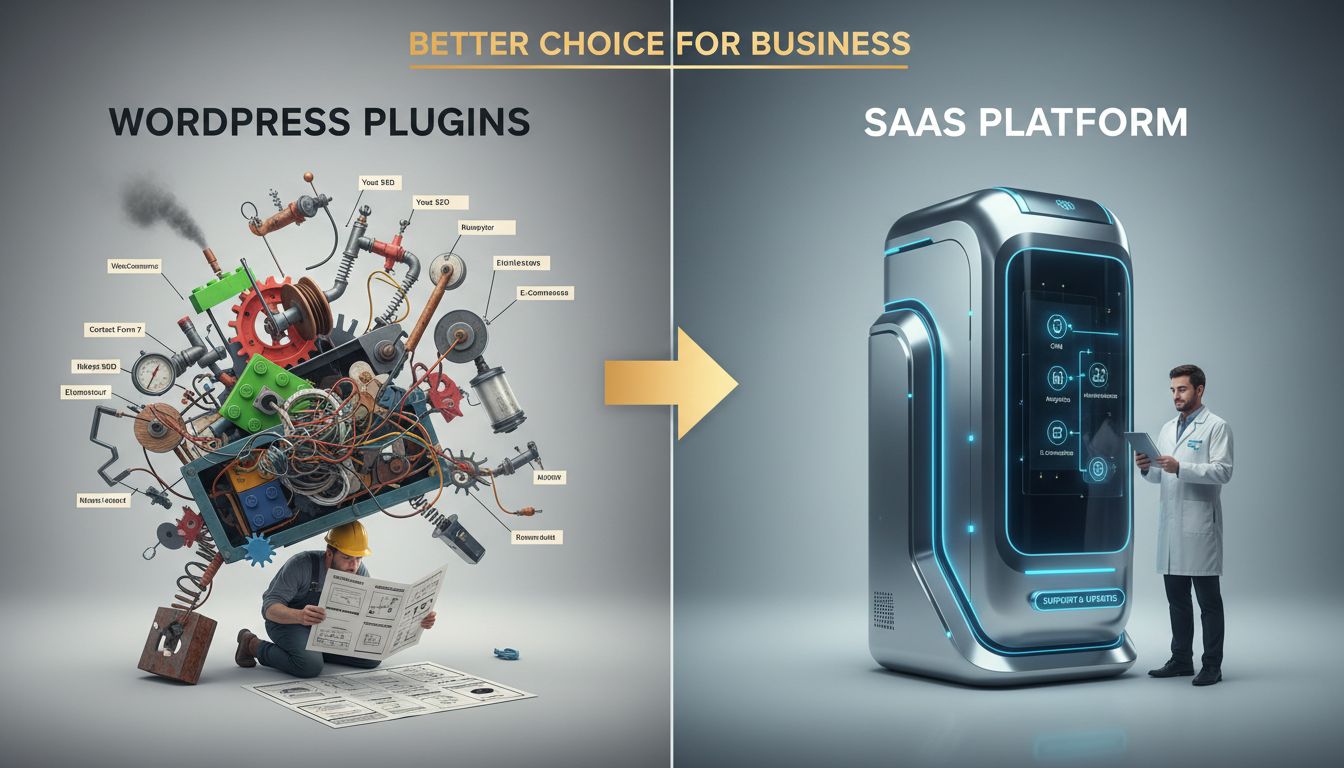
When a SaaS Is Better Than a WordPress Plugins
In the rapidly evolving digital landscape, marketers constantly grapple with choosing the right tools to maximize efficiency, boost traffic, and improve SEO performance. Among the myriad options, deciding between a SaaS platform and a WordPress plugin for content automation and site optimization is increasingly crucial. While WordPress plugins have traditionally been the go-to for many, especially small businesses and bloggers, the rise of SaaS solutions—particularly those harnessing AI—offers compelling advantages that often make them the better choice for serious content marketers managing multiple sites. This article delves into why a SaaS approach might outperform a simple WordPress plugin, especially in the context of AI-driven content creation, SEO, and automation. We’ll explore real-world examples, strategic insights, and actionable tips to help you make an informed decision that aligns with your growth goals.
Understanding the Core Differences: SaaS vs. WordPress Plugins
What Is a WordPress Plugin?
WordPress plugins are small software components that extend the functionality of a WordPress site. They’re installed directly into your website, providing features such as SEO tools, contact forms, or content generators. Plugins are generally easy to set up, often free or affordable, and require minimal technical knowledge. However, they are inherently limited to the scope of the site they are installed on, which can become problematic when managing multiple sites or needing more advanced, scalable features.
What Is a SaaS Platform?
SaaS, or Software as a Service, involves cloud-based platforms accessed via a web browser. SaaS solutions for content creation, SEO, and automation are designed to serve multiple sites simultaneously, often with centralized dashboards and AI-powered tools. These platforms are typically subscription-based, with continuous updates, support, and integration capabilities. They excel at handling large-scale operations, multi-site management, and leveraging AI for smarter, faster content generation and optimization.
Why SaaS Platforms Outperform WordPress Plugins for Content Marketing
Scalability and Multi-Site Management
When managing a handful of websites, a plugin might suffice, but once your portfolio expands, the limitations become apparent. SaaS platforms are built to handle dozens, hundreds, or even thousands of sites from a single dashboard. This centralization allows for consistent branding, unified SEO strategies, and streamlined content creation. For example, a SaaS AI content generator can produce optimized articles tailored for each site, saving hours of manual work and ensuring each site benefits from the same high-quality content.
AI-Driven Content Creation and Optimization
AI has revolutionized content marketing, enabling the creation of SEO-optimized content at scale. SaaS solutions leverage advanced AI models to generate unique, relevant, and engaging content that aligns with your keywords and target audience. Unlike traditional plugins that may only offer basic keyword insertion or limited templates, SaaS platforms continuously improve their AI models, providing smarter content generation tools. This means you can automate content creation, improve SEO rankings, and keep your sites fresh without sacrificing quality.
Automation and Integration Capabilities
Beyond content creation, SaaS platforms often include automation tools for scheduling, social media promotion, and analytics integration. They can connect seamlessly with other marketing tools, CRMs, and analytics platforms, making your workflow more efficient. For instance, integrating AI-powered content generators with your email marketing or ad platforms can boost campaign performance and site traffic. WordPress plugins, while useful for specific tasks, often lack the broader automation capabilities necessary for large-scale marketing efforts.
Case Studies and Practical Examples
Case Study 1: E-commerce Chain Expanding Nationally
A mid-sized e-commerce company with 20+ regional sites wanted to improve their local SEO and content freshness. Relying solely on WordPress plugins proved cumbersome; each site needed individual updates, and the SEO results were inconsistent. Transitioning to a SaaS AI content platform allowed them to generate localized, optimized product descriptions and blog posts for all sites from a central dashboard. Within six months, their site traffic increased by 40%, and conversion rates improved noticeably. This demonstrates how SaaS solutions can scale effectively for multi-site operations, delivering measurable results.
Case Study 2: Content Marketing Agency Managing Multiple Clients
An agency managing content for dozens of clients faced challenges coordinating content strategies across different industries. Using traditional plugins was time-consuming and prone to inconsistencies. Switching to a SaaS AI content generator enabled them to produce tailored, SEO-optimized content rapidly, with minimal manual intervention. The agency reported a 30% reduction in content creation time and a significant uptick in client satisfaction, thanks to consistent quality and faster turnaround. Such examples highlight the power of SaaS tools in boosting productivity and maintaining high standards across multiple sites.
Actionable Insights for Choosing the Right Solution
Assess Your Scale and Growth Plans
- If you’re managing fewer than five sites and have limited content needs, a well-designed WordPress plugin might suffice—especially if budget is tight.
- For larger operations or plans to expand, SaaS platforms provide the scalability needed to handle increased demand without sacrificing quality or speed.
Evaluate Your Content Creation Needs
- AI-powered SaaS tools excel at generating large volumes of SEO-optimized content quickly, making them ideal for aggressive marketing campaigns.
- If your focus is on highly customized, niche content, plugins might offer more control, but at the cost of manual effort and time.
Consider Integration and Automation
- SaaS platforms often integrate seamlessly with other tools—social media, analytics, email marketing—creating a unified marketing ecosystem.
- WordPress plugins tend to be more isolated, requiring additional plugins or manual processes to connect with broader marketing strategies.
Cost-Benefit Analysis
While SaaS solutions may have higher upfront costs or monthly fees, their ability to automate tasks, generate content at scale, and optimize for SEO often results in better ROI over time. They reduce manual labor, minimize errors, and ensure your content remains fresh and relevant. Conversely, plugins are cheaper initially but can incur hidden costs—such as time spent on manual updates, content gaps, or poor SEO results—that outweigh initial savings.
Implementing SaaS for AI Content Automation: A Step-by-Step Approach
Step 1: Define Your Goals and KPIs
Clarify what you want to achieve—higher traffic, better SEO rankings, more leads, or all of the above. Set measurable KPIs like bounce rate reduction, organic traffic growth, or conversion rates.
Step 2: Choose the Right SaaS Platform
Research options based on features, pricing, support, and integrations. Platforms like HitPublish AI offer comprehensive AI content tools tailored for multi-site management and SEO optimization. Look for platforms with proven AI models, customization options, and robust automation features.
Step 3: Integrate and Automate
Connect your SaaS platform with your existing marketing tools, set up automation workflows, and define your content templates. Focus on creating a scalable process that can produce, publish, and optimize content without manual intervention.
Step 4: Monitor and Optimize
Regularly review performance metrics, adjust your content strategies, and leverage the platform’s analytics to improve results. Use AI insights to refine keywords, topics, and content formats for better SEO and engagement.
Challenges and Considerations
While SaaS platforms offer many advantages, they are not without challenges. Initial setup can be complex, requiring technical know-how or dedicated support. Data security and privacy are also concerns, especially when dealing with sensitive client information. Moreover, over-reliance on AI-generated content may lead to a lack of authenticity if not carefully managed. It’s essential to strike a balance between automation and human oversight, ensuring your content remains genuine and valuable.
Addressing Common Concerns
- Cost: SaaS platforms typically require ongoing subscription fees, but the efficiency gains often justify the expense.
- Quality Control: Use human editors to review AI-generated content periodically, maintaining brand voice and accuracy.
- Integration: Choose platforms with open APIs and strong support to ensure smooth integration into your existing workflow.
The Future of Content Automation and SEO
AI-driven SaaS solutions are transforming how marketers approach content creation and SEO. As AI models become more sophisticated, their ability to generate highly tailored, contextually relevant content will improve, making automation even more effective. The key is to adopt these tools strategically, leveraging their strengths while maintaining a human touch where it counts. In the end, the decision between a WordPress plugin and a SaaS platform hinges on your scale, ambitions, and resources. For those serious about scaling content marketing efforts and boosting site traffic through optimized, AI-generated content, SaaS platforms are increasingly the better choice.
“AI-powered SaaS platforms enable marketers to automate content creation and SEO at a scale previously unimaginable, driving traffic and conversions faster than ever before.”
In summary, for multi-site content marketing efforts aiming for growth, efficiency, and superior SEO performance, investing in a SaaS platform with AI capabilities is a strategic move. It offers scalability, automation, and advanced content generation that surpasses the limitations of traditional WordPress plugins. As the digital marketing landscape continues to evolve, staying ahead means embracing these innovative tools and integrating them into your long-term strategy. By doing so, you position yourself to harness the full potential of AI, boost your site’s traffic, and achieve measurable results faster and more sustainably.