Copyright Rules for AI-Generated WordPress Content
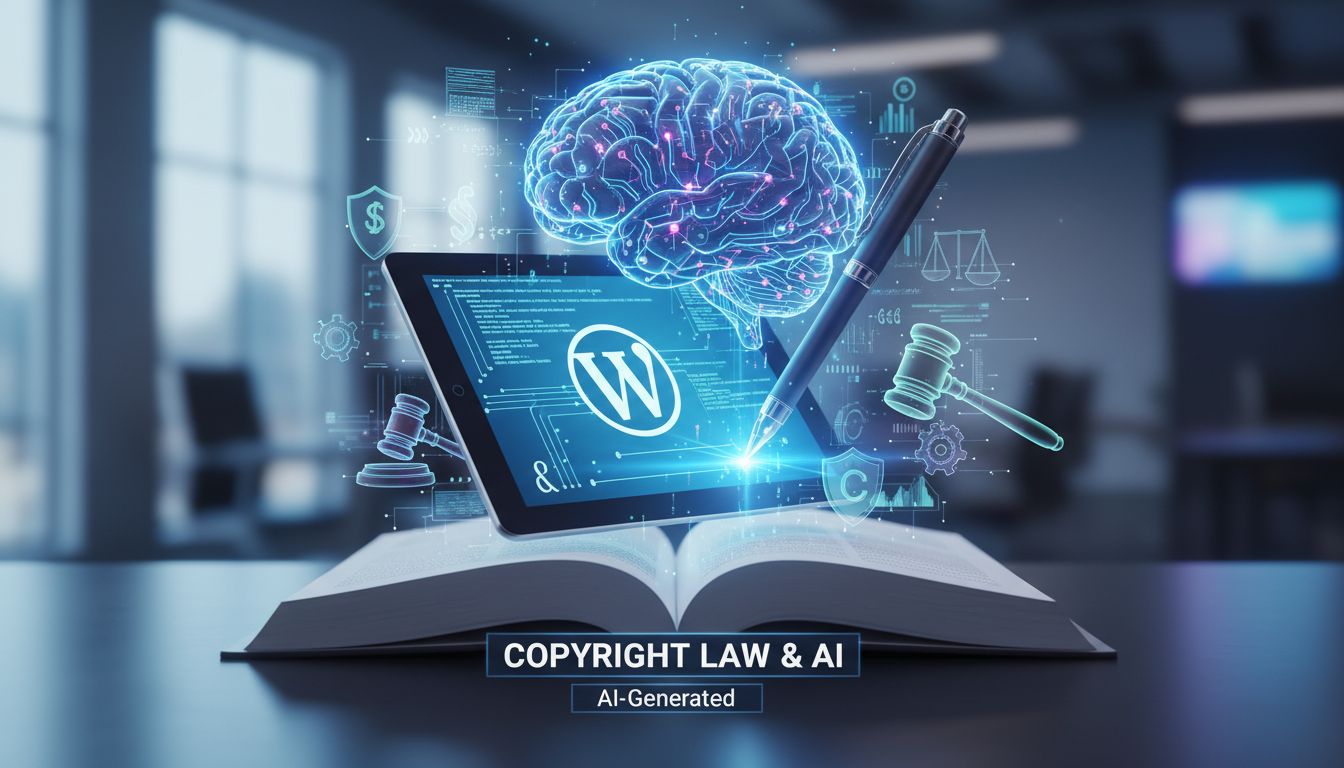
In recent years, the surge of AI-generated content has revolutionized the way marketers approach content creation, especially on platforms like WordPress. The promise of automation, combined with the potential for SEO boosts and rapid content deployment, makes AI tools incredibly appealing. However, alongside these benefits come significant legal and ethical considerations—particularly around copyright. As AI continues to evolve and become more ingrained in content marketing strategies, understanding the nuances of copyright considerations for AI-generated WordPress content is more critical than ever. This article dives deep into the legal landscape, practical tips for compliance, and strategic insights to help marketers navigate this complex terrain effectively.
Understanding Copyright in the Context of AI-Generated Content
The Basics of Copyright Law
Traditional copyright law grants exclusive rights to original works created by human authors. These rights include reproduction, distribution, public display, and derivative works. The core principle is that copyright protects human creativity, meaning that works must originate from human effort to qualify. However, when it comes to AI-generated content, the lines become blurry. Many AI tools operate by learning from vast datasets, often containing copyrighted material, to produce new content. This raises questions: who owns the rights—the user, the developer of the AI, or perhaps no one at all?
The Role of Human Input
Most legal experts agree that AI-generated content’s copyright status hinges on human involvement. If a human provides significant creative input—such as crafting prompts, editing outputs, or directing the AI—then the resulting content is more likely to qualify for copyright protection. Conversely, if an AI produces content autonomously with minimal human oversight, it may fall outside traditional copyright protections. For WordPress marketers, this distinction influences whether they can claim rights or need to license content from third parties.
Legal Uncertainty and Precedents
As of now, courts have yet to establish definitive rulings on AI-generated works, leaving a murky legal landscape. In 2019, the U.S. Copyright Office clarified that works created solely by AI without human intervention cannot be copyrighted. Yet, this stance is evolving, especially as AI tools become more sophisticated and integrated into creative workflows. For marketers, this means exercising caution—assuming that AI-produced content might not be protected and that licensing or attribution could be necessary, especially if the content closely resembles existing copyrighted works.
Practical Challenges for Marketers Using AI for WordPress Content
Content Ownership and Licensing
One of the primary hurdles is determining who owns the rights to AI-generated content. If a marketer uses a free AI content generator, the licensing terms vary widely. Some tools explicitly state that users hold full rights, while others retain rights or impose restrictions. For instance, using a free AI content generator might seem straightforward, but it’s crucial to read the terms of service carefully. Without clarity, marketers risk infringing on third-party copyrights or losing rights to their own content.
Risks of Copyright Infringement
AI models are trained on enormous datasets, which may include copyrighted material. As a result, AI outputs can inadvertently reproduce or closely mimic copyrighted works. For example, an AI blog writer might produce a piece that resembles a well-known article or copyrighted image, leading to potential infringement. Such issues can result in legal disputes, takedown notices, or damage to brand reputation. It’s essential to audit AI-generated content before publishing, especially if it’s going to be a cornerstone of your SEO strategy.
Ensuring SEO Optimization Without Legal Compromises
Many marketers aim to automate SEO and boost site traffic through AI-generated content. While this approach can save time and resources, it often involves using AI tools that produce SEO-optimized articles. However, if these tools plagiarize or infringe copyright, the SEO benefits could backfire. Search engines like Google penalize duplicate or low-quality content, and legal issues can lead to de-indexing or legal action. The key is to balance automation with careful review—editing AI outputs for originality and compliance.
Strategies for Compliant and Effective AI Content Creation
Choose the Right AI Tools
Not all AI content generators are created equal. Some offer clear licensing terms, allowing full rights to the generated content. Others provide free tools that might be more risky in terms of copyright. For example, according to HitPublish, choosing an AI platform that emphasizes content originality and legal compliance can save headaches down the line. Look for tools that explicitly state they use licensed or public domain datasets and that grant users full rights to the outputs.
Implement a Robust Review Process
Even with the best tools, human oversight remains essential. Always review AI-generated content for originality, accuracy, and potential copyright issues. This might involve running plagiarism checks, verifying facts, and ensuring the content aligns with your brand voice. Adding a layer of human editing transforms AI outputs from raw drafts into polished, legal, and SEO-optimized articles.
Attribution and Licensing
When AI tools incorporate third-party data or outputs, proper attribution becomes critical. If the AI-generated content includes elements that could infringe on existing copyrights, providing attribution or obtaining licenses is necessary. Maintaining detailed records of your AI tool usage, licensing agreements, and content revisions helps defend your rights and demonstrates due diligence in case of disputes.
Leverage AI to Enhance, Not Replace, Human Creativity
Rather than relying solely on AI for content creation, use it as a tool to augment human effort. For instance, generate initial drafts or ideas, then refine and personalize the content. This approach ensures that your content remains unique and reduces the risk of copyright infringement. It also aligns with SEO best practices, as search engines favor content that is genuinely valuable and human-centric.
Case Studies and Real-World Examples
Case Study 1: Small Business Blog Boost
A small e-commerce site used a free AI content generator to produce product descriptions and blog posts. Initially, traffic increased, but within weeks, they faced duplicate content penalties from Google. After auditing, they discovered some AI outputs closely resembled copyrighted articles. They shifted to a paid, licensed AI platform that provided clearer rights and implemented a strict review process. Within three months, their content was both SEO-optimized and compliant, leading to sustained traffic growth.
Case Study 2: Content Marketing Agency
A content marketing firm integrated AI tools to scale their client outputs. They adopted a strategy where human editors reviewed all AI content for originality and licensing issues. They also used AI to generate outlines and research ideas, not final articles. This hybrid approach maximized efficiency while maintaining legal safety. The agency reports that their clients saw a 40% increase in site traffic over six months, with no copyright disputes—proof that careful management of AI-generated content pays off.
Future Trends and Legal Developments
Emerging Laws and Regulations
Legal frameworks around AI and copyright are rapidly evolving. Governments and international bodies are debating whether to grant copyrights to AI-generated works or to create new categories of intellectual property. For marketers, staying updated on these changes is essential. Regularly reviewing legal advisories and adapting internal policies can help prevent inadvertent violations and ensure compliance.
Advances in AI Transparency and Rights Management
New AI tools are increasingly transparent about their data sources and licensing. Some platforms are integrating rights management features, allowing users to track and verify the origin of generated content. These innovations will likely make it easier for marketers to ensure their AI-generated content is compliant and properly licensed, reducing legal risks significantly.
Final Recommendations for Marketers
- Always read and understand the licensing terms of your AI content tools.
- Prioritize human oversight—review every piece of AI-generated content before publishing.
- Use plagiarism detection and originality tools to verify content uniqueness.
- Maintain detailed records of your AI tool usage, licensing agreements, and revisions.
- Stay informed about legal developments related to AI and copyright law.
- Consider consulting legal experts specializing in intellectual property to craft policies tailored to your needs.
In the fast-changing world of AI and content marketing, the key to success lies in balancing automation with legal prudence. Properly managing copyright considerations ensures that your WordPress site benefits from AI’s efficiency without risking legal disputes or reputation damage. By adopting strategic practices—selecting the right tools, implementing thorough review processes, and staying informed—you can harness AI’s power responsibly and effectively. As the landscape continues to evolve, proactive measures will remain your best defense against copyright pitfalls and your best strategy for SEO and traffic growth. Ultimately, leveraging AI intelligently and ethically will distinguish your content marketing efforts from the competition, paving the way for sustained success.