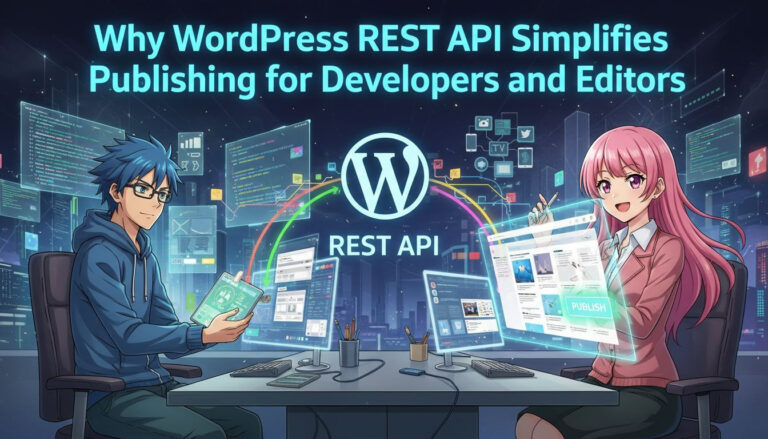
Streamline Your WordPress Network with Centralized Editorial Workflow
Centralized Editorial Workflow for WordPress Networks
Managing a large WordPress network can feel like juggling flaming torches—exciting but risky if not handled properly. As more businesses and content creators turn to WordPress multisite or network setups, the need for a streamlined, centralized editorial workflow becomes crucial. Without it, teams often face chaos: inconsistent content, duplicated efforts, missed deadlines, and SEO pitfalls. This article explores how a centralized editorial workflow can transform your WordPress network into an efficient, productive powerhouse. We’ll look at why centralization matters, how to implement it, and practical tools to make it happen. Whether you run a media company, a corporate site, or a content marketing agency, these insights will help you boost site traffic, improve SEO, and produce content that resonates with your audience.
Understanding the Need for a Centralized Editorial Workflow
The Complexity of WordPress Networks
WordPress multisite or network setups allow multiple sites under one installation—think of it as a digital empire where each site targets a different audience or niche. While this setup saves resources and simplifies updates, it complicates content management. Different teams may handle each site independently, leading to fragmented content strategies. For example, one team might be excellent at SEO but neglect brand voice, while another focuses on visuals but ignores optimization.
This disjointed approach can cause inconsistencies, duplicate content, and missed opportunities for cross-promotion. Moreover, without a clear workflow, deadlines slip, and quality drops. Centralizing editorial processes means establishing a single source of truth—one system where content ideas, drafts, reviews, and publishing are coordinated seamlessly across all sites. This ensures uniformity, saves time, and improves overall content quality.
Impact on SEO and Content Performance
Search engine optimization (SEO) is a key driver of traffic for any content site. However, inconsistent content creation and management dilute SEO efforts. For instance, if different writers produce content without a common strategy, keyword targeting and meta descriptions may vary wildly. Over time, these inconsistencies hurt rankings. Centralized workflows help standardize SEO practices—applying uniform keyword research, content guidelines, and optimization tactics across all sites.
According to a recent study by HitPublish.ai, sites with coordinated content strategies see a 35% higher traffic boost compared to fragmented efforts. When content is created with a unified voice and optimized consistently, it performs better in search results, attracting more visitors and engagement. This is especially important as AI tools for content and SEO continue to evolve, making automation and standardization even more impactful.
Designing a Centralized Editorial Workflow
Core Components of an Effective Workflow
A well-designed workflow should cover every stage of content creation—ideation, drafting, editing, SEO optimization, approval, and publishing. Each step needs clear ownership and deadlines. For example, a content calendar acts as the backbone, aligning all contributors and ensuring timely delivery.
Key components include:
- Content Planning: Brainstorm topics, assign keywords, and set goals.
- Content Creation: Drafting and researching, ideally using AI content generation tools to speed up the process.
- Editing & Review: Ensuring clarity, consistency, and SEO compliance.
- Approval & Publishing: Final checks before scheduling or immediate posting.
- Performance Monitoring: Analyzing metrics to inform future content.
Workflow Automation and Tools
Automation plays a vital role. Using tools like Trello, Asana, or specialized editorial platforms can streamline task assignments and deadlines. Integrating these with your WordPress sites reduces manual effort. For instance, you can set up automated notifications when a draft is ready for review or schedule posts automatically once approved.
Furthermore, AI-powered content and SEO tools can assist at various stages. AI content generators can produce first drafts, freeing writers for refinement. SEO tools can automatically analyze content for keyword density, readability, and meta tags, ensuring your content is SEO-optimized before publishing. This reduces bottlenecks and guarantees a consistent quality level across your network.
Implementing a Centralized Workflow in WordPress
Choosing the Right Plugins and Integrations
WordPress offers numerous plugins to help centralize editorial processes. For example, editorial calendar plugins provide a visual overview of upcoming content. Workflow management plugins allow assigning roles and tracking progress. Integrating these with cloud storage solutions ensures all assets—images, videos, drafts—are accessible in one place.
Another powerful approach involves using API integrations with AI tools. For example, some AI content generators can be connected directly to WordPress, enabling team members to create drafts within the platform. These integrations help automate repetitive tasks, such as keyword insertion or meta description generation, making the entire process more efficient.
Developing Standard Operating Procedures (SOPs)
Clear SOPs are essential. They set expectations and ensure everyone understands their responsibilities. Document guidelines for tone, SEO best practices, image sizes, and publishing schedules. Regular training sessions help keep teams aligned, especially when new tools or strategies are introduced. The goal is to create a repeatable process that maintains quality and efficiency.
Leveraging AI for Content and SEO
AI has revolutionized content creation and SEO. From free AI content generators to advanced optimization tools, automation is now accessible even for small teams. AI can generate outlines, suggest keywords, or even write first drafts. When combined with a centralized workflow, AI tools ensure that all content is produced and optimized uniformly.
For example, using AI to generate initial drafts accelerates content production, allowing writers to focus on adding unique insights. AI can also help identify gaps in your content strategy by analyzing competitors or current performance data. This synergy between AI and workflow management results in faster, better, and more SEO-optimized content, ultimately boosting site traffic and engagement.
Measuring Success and Continuous Improvement
Tracking Metrics and KPIs
Regularly monitoring key performance indicators (KPIs) helps evaluate the effectiveness of your centralized editorial workflow. Metrics such as organic traffic, bounce rate, average session duration, and conversion rates reveal how well your content performs. Using analytics tools like Google Analytics or SEMrush provides actionable insights.
Additionally, content-specific KPIs like keyword rankings, backlinks, and social shares indicate how well your SEO and content marketing strategies are working. Combining these insights with team feedback helps refine processes, ensuring continuous improvement.
Adapting to Changes and Scaling
As your network grows, workflows must adapt. Scalability involves automating more tasks, expanding your editorial team, and refining SOPs. Regular audits of your processes identify bottlenecks or redundancies. Involving team members in feedback sessions fosters a culture of continuous learning and adaptation.
Implementing a centralized editorial workflow not only streamlines current operations but also prepares your team for future challenges. It helps maintain consistency and quality, even as content demands increase or new platforms emerge.
Final Tips for a Successful Centralized Workflow
- Prioritize clarity—everyone should understand their role and deadlines.
- Leverage automation and AI tools to reduce manual effort and improve consistency.
- Maintain open communication channels for feedback and continuous improvement.
- Use analytics to inform your content strategy and optimize performance.
- Regularly review SOPs and adapt to new trends or tools.
Implementing a centralized editorial workflow might seem daunting initially, but the long-term benefits are undeniable. It leads to better content quality, improved SEO, increased traffic, and a more cohesive brand voice across all sites. With the right tools and strategies, your WordPress network can become a well-oiled content machine.
In the fast-evolving world of digital content, staying ahead means embracing automation, data-driven decisions, and consistent processes. As the landscape shifts, so should your workflows—making sure your content remains relevant, optimized, and engaging.
“AI-powered content creation tools can dramatically reduce production times and improve content quality, especially when integrated into a centralized workflow.”
By adopting a centralized editorial process, you not only streamline your operations but also unlock new opportunities for growth. Whether you’re aiming to boost SEO, enhance content marketing, or simply manage multiple sites more effectively, this approach offers tangible benefits. It’s time to rethink how your WordPress network operates—making it smarter, faster, and more aligned with your goals.