Content Clusters & Internal Linking Drive Rapid Organic Growth
How Content Clusters and Internal Linking Create Explosive Organic Growth
In the competitive world of digital marketing, achieving sustainable organic growth is essential for long-term success. Marketers constantly seek strategies that not only boost visibility but also establish authority within their niche. Among the most powerful techniques today are content clusters and internal linking. When combined effectively, these strategies can dramatically improve search engine rankings, increase website traffic, and enhance user experience. This article explores how content clusters and internal linking work together to create explosive organic growth, offering practical insights, real-world examples, and actionable tips for marketers aiming to dominate their markets.
Understanding Content Clusters and Internal Linking
What Are Content Clusters?
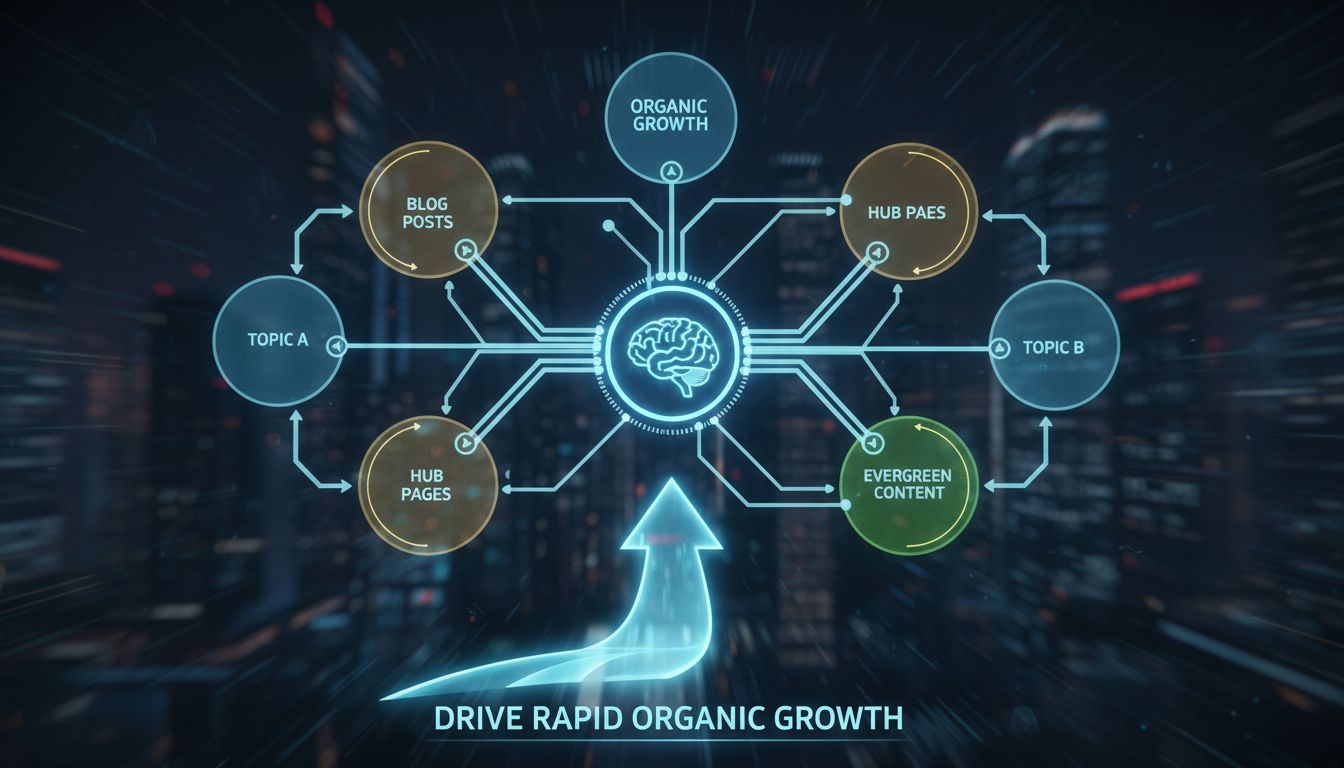
Content clusters are a strategic approach to organizing website content around a central theme or topic. Instead of creating isolated pages, marketers develop a core pillar page that provides a comprehensive overview of a subject. Surrounding this pillar are multiple related subtopics, each addressed in dedicated cluster pages. These subpages link back to the pillar, creating a web of interconnected content. This structure not only improves site organization but also signals to search engines that your website is an authority on that subject.
What Is Internal Linking?
Internal linking refers to hyperlinks that connect pages within the same website. It guides visitors seamlessly from one piece of content to another, helping them navigate your site more efficiently. For search engines, internal links are signals that indicate the importance and relationship between pages. Proper internal linking distributes link equity across your website, boosts page authority, and improves crawlability. When used strategically within content clusters, internal links amplify their effectiveness, making your website more discoverable and authoritative.
The Synergy Between Content Clusters and Internal Linking
Enhancing SEO Through Thematic Relevance
Search engines favor websites that demonstrate topical authority. Content clusters establish this authority by creating a clear thematic structure. Internal links reinforce this structure by connecting related content, signaling to search engines that your site covers a comprehensive range of subtopics within a niche. For example, a health blog focusing on nutrition can create a pillar page about “Healthy Eating,” with cluster pages on “Vitamins,” “Meal Planning,” and “Superfoods.” Linking these pages internally strengthens the overall relevance and boosts rankings for each keyword.
Boosting User Engagement and Dwell Time
Effective internal linking within content clusters keeps visitors engaged longer. When users find related content easily accessible, they are more likely to explore multiple pages. This increased dwell time and reduced bounce rate send positive signals to search engines, indicating valuable content. For instance, a tech review site might link from a review of a smartphone to articles about accessories, software tips, and troubleshooting guides, encouraging visitors to stay longer and explore more.
Distributing Page Authority Strategically
Internal links allow you to distribute link equity from high-authority pages to newer or less authoritative ones. By linking from your pillar page to cluster pages, you transfer authority, helping these pages rank higher. Conversely, linking back from cluster pages to the pillar consolidates authority around the main topic. This strategic flow of link equity accelerates the ranking process, especially for new content or niche topics.
Actionable Strategies for Building Effective Content Clusters
1. Identify Core Topics and Subtopics
Start by conducting keyword research to determine your main target keywords. Break these down into related subtopics that your audience cares about. Use tools like Google Keyword Planner or SEMrush to uncover relevant keywords with high search volume and low competition. For example, if your target is “Digital Marketing,” subtopics might include “Social Media Strategies,” “SEO Techniques,” and “Content Marketing Tips.”
2. Develop Comprehensive Pillar Content
Create a detailed, authoritative pillar page that covers your main topic in depth. Ensure it provides valuable insights, includes relevant keywords, and serves as the central hub for your content cluster. Use clear headings, engaging visuals, and actionable takeaways to enhance user experience. Remember, this page should be the go-to resource for the entire topic.
3. Create Supporting Cluster Content
Develop multiple smaller articles or pages focused on specific subtopics. These should be well-optimized for their respective keywords and linked back to the pillar page. Use different formats such as blogs, infographics, or videos to cater to varied learning preferences. The goal is to cover all angles of your main topic comprehensively.
4. Implement Strategic Internal Linking
Link from your pillar page to each cluster page using descriptive anchor text. Similarly, within each cluster page, include links back to the pillar and to other related subtopics. This interconnected web boosts overall SEO and helps users navigate your content effortlessly. Regularly audit your internal links to ensure they remain relevant and functional.
5. Promote and Update Content Regularly
Share your content clusters across multiple channels—social media, email newsletters, and industry forums. Keep your content fresh and up-to-date to maintain relevance. Refresh older cluster pages with new insights or data, and continuously expand your content cluster as new subtopics emerge. This ongoing process sustains growth and authority over time.
Case Study: How a Niche Blog Achieved Explosive Growth
Consider a small travel blog focusing on eco-friendly tourism. Initially, it struggled to rank on Google. The marketer decided to implement content clusters around “Sustainable Travel.” They created a comprehensive pillar page titled “Ultimate Guide to Eco-Friendly Travel,” supported by cluster pages on topics like “Green Accommodations,” “Eco-Friendly Transportation,” and “Wildlife Conservation.” Strategic internal links connected all pages. Within six months, the website’s organic traffic tripled, and several pages ranked on the first page of Google for their target keywords. The success stemmed from establishing topical authority and guiding visitors through a logical content journey.
Common Pitfalls and How to Avoid Them
- Overstuffing keywords: Focus on natural, user-friendly language rather than keyword stuffing, which can harm rankings.
- Ignoring user experience: Ensure internal links are relevant and add value, not just for SEO but for visitor engagement.
- Neglecting content updates: Regularly review and refresh your content to maintain accuracy and relevance.
- Poor site structure: Maintain a logical hierarchy so that search engines and users can easily navigate your website.
Final Thoughts: Unlock Explosive Growth Today
Content clusters and internal linking are not just SEO tactics—they are foundational strategies that can transform your website’s visibility and authority. When executed correctly, they create a powerful ecosystem that attracts, engages, and converts visitors. Marketers who leverage these strategies can expect faster rankings, increased organic traffic, and a stronger brand presence. Start mapping your core topics, build your content clusters, and implement strategic internal links today. The organic growth potential is immense—unlock it now and watch your website soar to new heights.
“Topical authority is the currency of the modern search landscape. Content clusters and internal links are your best tools to build that authority and dominate your niche.”