24/7 Content Creation Engine for Effortless, Scalable Content Production
In today’s fast-paced digital landscape, content is king—yet producing high-quality, consistent content across multiple platforms remains a daunting challenge. For marketers managing numerous sites, the struggle often lies in balancing quantity with quality, all while trying to stay ahead of SEO algorithms that are constantly evolving. Enter the 24/7 content creation engine—an innovative solution that leverages artificial intelligence to automate, scale, and optimize content production at any time and from anywhere. This isn’t just about generating more content; it’s about creating smarter, more effective content that drives traffic, boosts SEO, and sustains your brand’s voice across multiple sites effortlessly. In this article, we’ll explore how AI-powered content generators are revolutionizing the way marketers approach content marketing, providing actionable insights, real-world examples, and strategies to harness this technology for maximum results.
Understanding the Power of AI in Content Creation
The Evolution from Manual to Automated Content Production
For years, content creation was a labor-intensive process. Writers, editors, and SEO specialists poured hours into crafting articles, blog posts, and social media updates. While human touch remains invaluable, the rise of AI tools has shifted the paradigm dramatically. Today’s AI content generators can produce articles, product descriptions, social media snippets, and even video scripts with remarkable speed and consistency. These tools analyze vast amounts of data, understand context, and generate content that aligns with your brand voice and SEO goals. The result is a scalable system that can keep up with the relentless demands of multi-site content marketing.
Take, for example, a large e-commerce platform managing dozens of product pages. Manually updating descriptions and optimizing for SEO across all those pages is impractical. An AI content generator can automate this process, ensuring each product description is unique, keyword-optimized, and published instantly. This not only saves time but also helps maintain a competitive edge by keeping content fresh and relevant. As AI continues to evolve, its ability to understand nuance and tone improves, making it an indispensable asset for marketers aiming to automate their content workflows efficiently.
Key Benefits of an AI-Driven Content Creation Engine
1. Scalability and Speed
One of the biggest advantages of AI content tools is their capacity to produce large volumes of content rapidly. For marketers, this means no more bottlenecks or waiting weeks for content approval. With AI, you can generate hundreds of SEO-optimized articles, blog posts, or landing pages in a matter of hours. This speed enables your brand to stay relevant, respond to trends quickly, and expand your content footprint without overburdening your team.
2. Consistency and Quality
While many worry that automation might sacrifice quality, the latest AI models are designed to adhere to brand guidelines and maintain tone consistency. They can also incorporate SEO best practices, such as keyword placement and meta descriptions, ensuring your content is optimized from the get-go. Over time, AI learns your preferences, producing content that aligns with your style and voice, reducing the need for extensive editing.
3. Cost-Effectiveness
Hiring writers, editors, and SEO specialists is expensive. By integrating AI content generation tools, marketers can significantly cut down on labor costs while increasing output. Moreover, the ability to automate routine content tasks frees up human resources for more strategic initiatives, like content strategy development or audience engagement. This balance of automation and human oversight creates a leaner, more agile content operation.
4. Multi-Site Optimization
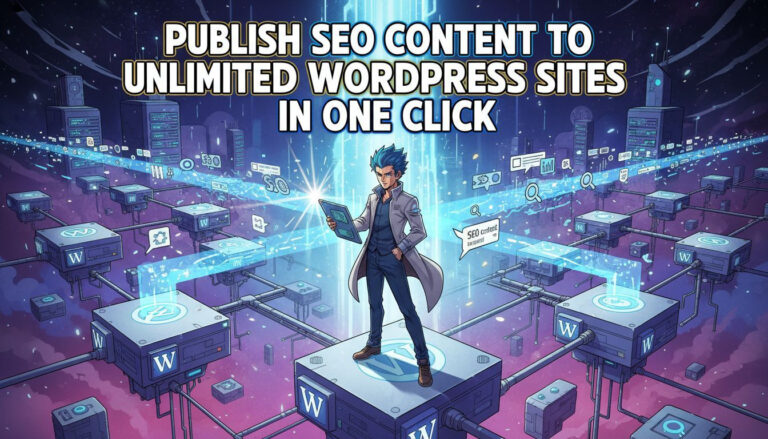
Managing multiple sites often means juggling different audiences, keywords, and content styles. AI-powered engines can tailor content for each site’s unique needs, ensuring SEO optimization at scale. For instance, an agency managing several client sites can use a single AI platform to generate site-specific content, maintaining consistency while respecting individual brand voices. This multi-site capability dramatically enhances efficiency and coherence across your digital presence.
Implementing AI Content Generation: Practical Steps
Assess Your Needs and Set Clear Goals
Before diving into AI tools, define what you want to achieve. Are you aiming to boost SEO, increase content volume, or improve content quality? Clarifying goals helps you choose the right AI platform and tailor your workflow. For example, if your primary goal is to improve site traffic through SEO, prioritize tools that excel in keyword integration and content optimization.
Select the Right AI Tools
There’s no shortage of options, but not all AI content generators are created equal. Evaluate platforms based on features such as language support, customization options, ease of integration with WordPress or other CMS, and the ability to generate diverse content types. According to hitpublish.ai, the best AI tools offer a mix of automation and human editing, ensuring the content remains authentic and engaging.
Integrate with Your Existing Workflow
Seamless integration is key. Many AI tools can connect directly with WordPress or other content management systems, enabling automatic publishing and updates. Set up workflows where AI generates drafts, human editors review and fine-tune, and the final content goes live without delays. This hybrid approach maximizes efficiency while preserving quality.
Monitor and Optimize Performance
AI-generated content isn’t a set-it-and-forget-it solution. Regular monitoring of content performance, SEO rankings, and engagement metrics is essential. Use analytics to identify what works, refine your prompts, and improve AI output. Over time, your AI engine becomes smarter, producing increasingly effective content tailored to your audience’s preferences.
Case Studies and Real-World Examples
Case Study 1: E-Commerce Success with AI Content Automation
An online retailer managing over 10,000 product pages turned to AI content generation to keep product descriptions fresh and SEO-optimized. Within three months, they saw a 35% increase in organic traffic and a 20% boost in conversion rates. The AI platform automatically generated descriptions based on product specs, optimized keywords, and seasonal trends, saving hundreds of hours of manual work. They also integrated the AI tool with their WordPress site, making updates seamless and scalable.
Case Study 2: Multi-Site Agency Scaling Content Production
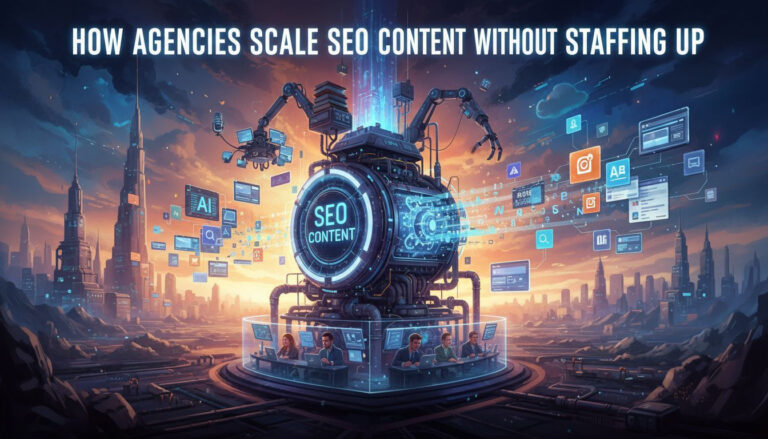
A digital marketing agency overseeing multiple niche sites adopted an AI content engine to produce tailored blog posts and landing pages. By customizing prompts for each site’s audience and SEO focus, they increased content volume by 150% without sacrificing quality. Their clients appreciated the consistent delivery, improved rankings, and reduced costs. The agency credits their success partly to tools like this innovative AI platform, which simplified multi-site management and kept their content pipeline flowing.
Best Practices for Maximizing AI Content Creation
1. Combine AI with Human Oversight
While AI can generate a solid first draft, human editing remains essential. Editors can add nuance, verify facts, and ensure the tone aligns with brand voice. This hybrid approach produces authentic, high-quality content that resonates with audiences.
2. Use AI for Routine and Repetitive Tasks
Automate product descriptions, meta tags, or social media posts to free up your team’s time for strategic content planning, creative storytelling, or audience engagement. This division of labor makes your content process more efficient and less stressful.
3. Focus on SEO and User Intent
AI tools excel at optimizing content for search engines, but understanding user intent remains crucial. Provide clear prompts, target relevant keywords, and craft content that genuinely addresses your audience’s needs. This approach boosts site traffic and improves rankings.
4. Regularly Update and Refine Content
SEO is dynamic, and content needs to evolve with algorithm changes and audience preferences. Use AI to refresh old posts, add new keywords, or update information, keeping your site relevant and competitive.
Challenges and Limitations of AI Content Generation
Despite its many benefits, AI isn’t a silver bullet. Quality can sometimes suffer if prompts are vague or poorly structured. Over-reliance on automation may lead to bland or repetitive content, risking SEO penalties or audience disengagement. Moreover, ethical concerns around AI-generated content—such as originality and transparency—must be addressed thoughtfully. It’s vital to strike a balance, using AI as a tool to augment human creativity rather than replace it entirely.
Final Thoughts: Embracing the Future of Content Marketing
The landscape of digital marketing is shifting rapidly, with AI at the forefront of this transformation. For marketers managing multiple sites, an AI-driven content creation engine offers a strategic advantage—delivering scalable, consistent, and optimized content around the clock. By integrating these tools thoughtfully into your workflow, you can boost your site traffic, enhance SEO, and free up valuable human resources for more creative pursuits. As technology advances, those who harness AI intelligently will stay ahead of the curve and maintain a competitive edge.
Understanding and adopting AI in your content strategy isn’t just a trend; it’s a necessity in modern digital marketing. The key is to leverage AI tools like this innovative platform that support multi-site management and content automation. This approach allows you to produce high-quality, SEO-optimized content effortlessly, ensuring your brand remains visible and relevant in an increasingly crowded online space.
By continuously refining your AI workflows, monitoring results, and blending automation with human oversight, you’ll create a resilient content engine that operates 24/7—delivering results that matter. Whether you’re scaling a single site or managing dozens, embracing AI content generation can transform your marketing efforts from reactive to proactive, from labor-intensive to streamlined, and from limited to limitless.